


What is Biocides
Biocides are used to inhibit the formation of, or kill existing biological growth (algae, bacteria, yeast, fungi, slime, etc). Uncontrolled biological growth can have an adverse effect on many applications including water treatment, preservation, sanitation, oil & gas operations, pulp & paper mill applications, food processing and many others.
Benefits of Biocides in Industrial Water Treatment
Enhanced System Efficiency
Biocides prevent biofouling, maintaining optimal flow rates and heat transfer efficiency within industrial systems. This translates to better overall system performance.
Reduced Maintenance Costs
Biocide use helps control biofouling and MIC, minimizing the need for frequent cleaning and equipment repairs, ultimately reducing maintenance costs.
Improved System Lifespan
Biocides play a vital role in extending the lifespan of pipes, heat exchangers, and other equipment by preventing corrosion caused by microbial activity.
Public Health Protection
Biocides help control the growth of harmful pathogens that can potentially lurk within industrial water systems, safeguarding public health.

This product gathers electrolyte for the strong cation, appearance is colorless to light yellow viscose liquid, freezing point:-2.8°, resolve temperature 280-300°C. Be dissolved in water easily, not easy to combust , strong coagulate dint, good water solution stability, don't become gel and keep stable in the wide PH range, anti-chlorine.

High viscosity flocculants is cationic polymer in liquid form, it can be widely used in industrial waste water and surface water purification as well as sludge thickening and dewatering. It can improve water clarity at a relatively low dose. It has good activity that accelerate the sedimentation rate.

Sludge treatment chemicals is an innovative, high-performance patented organic polymer. Its specific chemical properties make it have strong electrical neutralization, and is specially used for sludge dewatering and coagulation treatment..

The coal washing water chemicals is a strong cationic polyelectrolyte, and its appearance is a colorless to pale yellow viscous liquid with a freezing point of about -2.8 °C,a specific gravity of about 1.04g/cm3, and a decomposition temperature of 280-300 °C. Coal washing water treatment agent is easily soluble in water, non-flammable, strong cohesive force, good hydrolytic stability, no gelation, insensitivity to changes in pH, and resistance to chlorine. The coal washing water treatment agent is non-toxic and has no adverse reactions on the human body.

Aquaculture Water Purifying Agent
Aquaculture water purifying agent is a polymer resin, which can improve the quality of pond water due to excessive feeding, inefficient application of fertilizers, excessive accumulation of metabolites of aquaculture animals, and natural factors such as weather and water temperature. The cause often causes the appearance of various bad water quality, such as the aging water quality formed by too much organic matter in the water body, such as red water, black water, blue-green algae blooms, and stinky water bodies. This product is not an ordinary polyacrylamide product. It is non-foaming, non-toxic, non-irritating, stable, and safe to use.

This product is a cationic polymerized biological bactericide, which can effectively inhibit the growth of algae and slime-forming bacteria in industrial circulating cooling water; this product can also effectively inhibit the growth of various algae in swimming pools, ponds, and reservoirs. It can be used in acidic, alkaline and hard water environments. In any concentration, the product will not produce foam, non-toxic, non-irritating, and safer to use.

Swimming pool clarifier is a polymer resin, not an ordinary polyacrylamide product, and it has no irritation to the skin and high safety. It is non-foam, non-toxic, non-irritating, stable, and safer to use, so it is ideal for use in swimming pools, SPA, landscape water and other places.
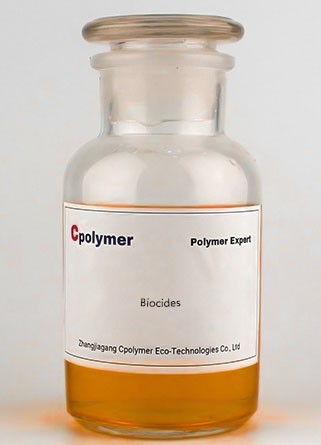
Biocides is a cationic polymerization bactericidal algicide, which can be used to configure excellent agents for controlling algae in swimming pools. It effectively inhibits various floating green algae, as well as black algae that adhere to the walls and bottom of swimming pools.
Why Choose Us
Quality assurance
The company successfully passed ISO9001 quality management system, ISO14001 environmental management system, and ISO45001 occupational health management system.
World-wide expertise
We know international markets and trends. Our expertise, experience and network cover all corners of the world.
Competitive prices
We offer our products at competitive prices, making them affordable for our customers. We believe that high-quality products should not come at a premium, and we strive to make our products accessible to all.
Rich experience
Has a long-standing reputation in the industry, which makes it stand out from its competitors. With over many years of experience, they have developed the skills necessary to meet their clients' needs.
Efficient and convenient
The company has established marketing networks around the world to provide high-quality services to customers in an efficient and convenient manner.
Professional service
We can accept factory inspection and goods inspection at any time. Technical discussion, research and development of new products, and complete after-sales service.
What Is the Difference Between Pesticides and Biocides
Pesticide is a general term that covers many substances, including biocides, that are used. to prevent, destroy, repel, attract or control certain forms of plant or animal life that are considered to be pests.
More commonly the term pesticide is used to refer to plant protection products that are specifically used to protect crops against harmful pests and diseases, influence the life processes of plants, or to control unwanted vegetation such as residential or agricultural weeds and invasive species.
Biocides are typically not used on plants or crops, but are used to protect humans, animals, materials or articles against harmful organisms like pests or bacteria.
Common Biocides and Disinfectants
Chlorine (sodium hypochlorite)
Chlorine is one of the most widely used biocides mainly due to the fact it is relatively inexpensive and readily available. While it is typically the lowest cost option, due to its high volatile and oxidative state, it can be aggressive to the metals that make up your piping systems. It has been known to cause corrosion specifically in domestic water piping and cooling tower systems when not fed at proper dosages. Chlorine can also form THM (trihalomethanes), a cancer-causing by-product.
Stabilized Bromine
Stabilized bromine is used for the disinfection of cooling towers and is a good choice for spas and other situations with warmer water. Bromine is more costly than chlorine, but more stable in the warmer temperatures. It has less odor and is also less irritating to the skin. It works in a wider range of pH levels and dissolves slowly so you can maintain water quality for a longer time period.
Chlorine Dioxide
Chlorine dioxide, a molecule used in both domestic water and process water treatment, is a chlorine-based chemistry. Its ability to be successful in all types of makeup water make it an attractive choice. It can penetrate both sessile and planktonic levels of the biofilm. While it is less aggressive than chlorine, its stability in hot water is less than desirable. Another potential drawback is that a generator may be required to produce the chemical on site.
Monochloramine
Monochloramines are the most stable of the three chlorine-based disinfectants. Not only does the stability help with efficacy and ability to stay in solution for long periods of time, but it is proven to be the least corrosive chlorine-based chemistry. Its primary function is in disinfecting drinking water and penetrating biofilm in healthcare domestic hot water systems.
Peracetic Acid
Peracetic acid is a low-cost biocide that kills microbes without leaving residue on your GMP surfaces. It produces little to no toxic by-products. However, its main drawback is that it can be highly corrosive. It is used almost primarily in the food and beverage industry or in hospitals for equipment and instrument sterilization.
Hydrogen Peroxide
Hydrogen peroxide is used as a biocide to prevent microbial growth in water systems.
What Are Biocides Used For
Biocides have a long history beginning with food and water preservation and wound management.
With time, biocides found use in many industries and products and have become an inseparable part of our lifestyle. The following are a few listed industries with biocide applications.
Healthcare
The healthcare industry depends heavily on biocides, where they are used for sterilization of medical devices, disinfection of surfaces and water, and skin antisepsis.
Pharmaceuticals
Biocides are used as preservative to preserve drugs and in some vaccine formulations.
Biotechnology
Biocides are used as a preservative in biological products such as immunoglobulin solutions, chromatography resins and other reagents used in laboratory.
Cosmetic industry
Biocides are used as a preservative and antimicrobial agent in making lotions, creams, face wash and cleansing conditioners. Their use in the cosmetic industry is increasing with the increasing demand for high-quality products with cleansing and sanitizing properties to protect the consumer from skin infections.
Domestic use products
Biocides are routinely used in domestic products such as washing powder, washing liquid, some toothpaste, mouth wash, fabric, plastics, and household cleaning products.
Food industry
Biocides are used extensively in the food industry to preserve food items. As preservatives, biocides increase the shelf life of food items by protecting them from deterioration by microorganisms. They are also used to disinfect production plants and food containers, as well as to decontaminate carcasses.
Water treatment
Biocides are used in water treatment, both in the production of drinking water and in wastewater treatment. These are used at the waterworks to maintain the microbiological quality of water before its distribution, by sustaining total counts of microorganisms at an acceptable level and eliminating the pathogenic microorganisms. Chlorine was used widely in the past century for drinking water treatment; however, since it forms halogenated byproducts, it has been replaced with other oxidizing agents such as ozone or chlorine-dioxide. Many wastewater treatments plants include a final step of disinfection with chlorine biocide.
Miscellaneous
Biocides are used in many other industries and products such as animal husbandry, agriculture, paper industry, used in paints, wood, and furniture.
Biocide Efficacy Testing Standards
Proof of effectiveness against target organisms is a key condition for the approval of active substances as well as biocidal products and treated articles. Examples of standardized testing options include the following:

Disinfectant efficacy testing by EN 13727
The test is often required for the approval of hygienic hand rubs, surgical handwashes, surface disinfectants, and other medical industry biocide products.
Evaluation of the antibacterial properties of surfaces by ISO 22196
The standard test is used to evaluate antibacterial activity on plastics and other non-porous surfaces. A modified version can be used for analyzing porous materials.
Textile antibacterial efficacy testing by AATCC 100 or ISO 20743
During the analyses, textiles treated with antibacterial agents are inoculated with bacteria and incubated in warm and humid conditions. Viable bacteria are counted before and after incubation to assess the effectiveness of the biocidal treatment.
Ways to Improve Biocides for Metalworking Fluid
Metalworking fluids (MWF) are mainly emulsions of oil in water containing additives such as corrosion inhibitors, emulsifiers, defoamers, and biocides. Microbial contamination of MWF is almost systematic, and some of their constituents serve as nutrients for contaminating microorganisms. Biocides for MWF are protection products used to counter microbial contaminations and growth. Ideally, a biocide for MWF should have the following non-exhaustive criteria: have a broad-spectrum activity, be usable at low concentrations, be compatible with the formulation and the physical-chemical properties of MWF, be stable over time, retain its effectiveness in the presence of soiling, have no corrosive action on metals, present no danger to humans and the environment, be inexpensive. The future lies in the development of new molecules with biocidal activity corresponding to these ideal specifications, but in the meantime, it is possible to improve the performance of existing molecules currently on the market. Different strategies for potentiation of the activity of existing biocides are possible. The compatibility of the potentiation strategies with their use in metal working fluids is discussed.
Control of microorganisms is a key goal in disease prevention and in healthcare, industrial, domestic and food production settings. While there is good evidence for the effectiveness of biocides in these settings, debate continues regarding the risk of resistance associated with their use. This increases the regulatory burden, which in turn may result in reduced deployment of existing biocides and a reduction in the development of new compounds and formulations. Efforts to balance risks and benefits are therefore essential and should be based on a realistic approach and a multidisciplinary approach, and through an objective and critical analysis of the literature. The current literature on this topic can be difficult to understand. Much of the evidence on the potential for resistance to biocides is based either on correlational analyses of isolated bacteria, where reports of treatment failure are often rare, or on laboratory studies that do not necessarily represent true biocide applications. The situation is complicated by inconsistent definitions of the term resistance. Similar uncertainty applies to cross-resistance between biocides and antibiotics. Risk assessment studies that can better guide practice are needed. The knowledge gained can be used by multiple stakeholders, including those responsible for new product development, regulators, clinicians and the public. Existing evidence on resistance and cross-resistance is considered, and efforts to improve the realism of risk assessments are outlined. This is done in the context of how biocides are applied, their demonstrable benefits, and their potential risks.
Choosing the Right Biocide Product
Selecting the most suitable biocide for a specific application requires careful consideration of several factors:
Target Microorganisms
Different biocides are effective against specific types of microbes. Identifying the target microbes in your system is the first step to choosing the right biocide.
System Conditions
Factors like pH, temperature, and the presence of other chemicals within your water system can influence biocide selection. It' s important to choose a biocide that functions effectively under these specific conditions.
Environmental Regulations
Disposal and environmental impact of the biocide need to be considered. Choosing an environmentally friendly biocide that complies with local regulations is essential.
Our Factory
Zhangjiagang Cpolymer Eco-Technologies Co., Ltd. is a professional manufacturer and supplier of Function monomers, Polymer series, Water treatment chemicals, Pulp & Paper additives, Textile dyeing auxiliaries, Oilfield additives, Pharmaceutical intermediates, Auxiliaries for Household Chemicals, with decades of experience in production, R&D, and application service.

Certifications


FAQ
Hot Tags: biocides, China biocides manufacturers, suppliers, factory, water treatment maintenance, sewage treatment chemicals, water treatment projects, water treatment customers, ultrafiltration water treatment chemicals, biocide water treatment chemicals