

Polyamines are a group of small, positively charged molecules that are found in all living cells. They play crucial roles in various biological processes, including cell growth, differentiation, and survival. In recent years, there has been growing interest in the impact of polyamines on the reproductive system. As a polyamine supplier, I've been keeping a close eye on the latest research in this area, and I'm excited to share some insights with you.
Polyamines: An Overview
Before diving into their impact on the reproductive system, let's quickly go over what polyamines are. The most common polyamines in living organisms are putrescine, spermidine, and spermine. These molecules are synthesized from the amino acid ornithine through a series of enzymatic reactions. Polyamines are involved in a wide range of cellular functions, such as DNA synthesis, RNA stability, and protein synthesis. They also interact with various biomolecules, including nucleic acids, proteins, and phospholipids, to modulate their activities.
Polyamines in Male Reproduction
In the male reproductive system, polyamines have been shown to play important roles in sperm production and function. Spermine, in particular, is highly concentrated in semen and is thought to contribute to the overall quality of sperm. Studies have found that sperm from infertile men often have lower levels of spermine compared to fertile men.
One of the key functions of polyamines in sperm is to protect the DNA within the sperm cells. Sperm DNA is highly condensed and vulnerable to damage from oxidative stress and other environmental factors. Polyamines can bind to DNA and form a protective shield, preventing damage and maintaining the integrity of the genetic material. This is crucial for successful fertilization and the development of a healthy embryo.
Polyamines also play a role in sperm motility. Sperm need to be able to swim effectively through the female reproductive tract to reach the egg. Polyamines can affect the structure and function of the sperm tail, which is responsible for motility. By modulating the activity of enzymes and ion channels in the sperm tail, polyamines can enhance sperm motility and increase the chances of fertilization.
Polyamines in Female Reproduction
In the female reproductive system, polyamines are involved in various processes, including ovarian function, oocyte maturation, and embryo development. In the ovaries, polyamines are required for the growth and development of follicles, which are the structures that contain the eggs. Polyamines can stimulate the proliferation of granulosa cells, which are the cells that surround the egg and provide it with nutrients and support.
During oocyte maturation, polyamines are also important for the proper formation of the spindle apparatus, which is responsible for separating the chromosomes during cell division. A properly functioning spindle apparatus is essential for the production of a healthy egg with the correct number of chromosomes.
Once fertilization occurs, polyamines continue to play a role in embryo development. They are involved in cell division, differentiation, and the formation of the placenta. Polyamines can also protect the embryo from oxidative stress and other harmful factors in the uterine environment, increasing the chances of successful implantation and pregnancy.
Impact of Polyamine Supplementation
Given the important roles of polyamines in the reproductive system, there has been some interest in the potential benefits of polyamine supplementation for fertility. Some studies have shown that supplementing with polyamines can improve sperm quality and motility in men with infertility. In women, polyamine supplementation has been investigated as a way to improve ovarian function and embryo development.
However, it's important to note that more research is needed to fully understand the effects of polyamine supplementation on fertility. The optimal dosage and timing of supplementation are still unclear, and there may be potential risks and side effects associated with high doses of polyamines. As a polyamine supplier, we always recommend consulting with a healthcare professional before starting any supplementation regimen.
Our Polyamine Products
At our company, we offer a range of high-quality polyamine products, including Polyamine. Our polyamines are produced using state-of-the-art manufacturing processes to ensure purity and quality. We also offer Polyquats WSCP and Poly Dimethyl Diallyl Ammonium Chloride, which are related cationic polymers that may have potential applications in the reproductive field.

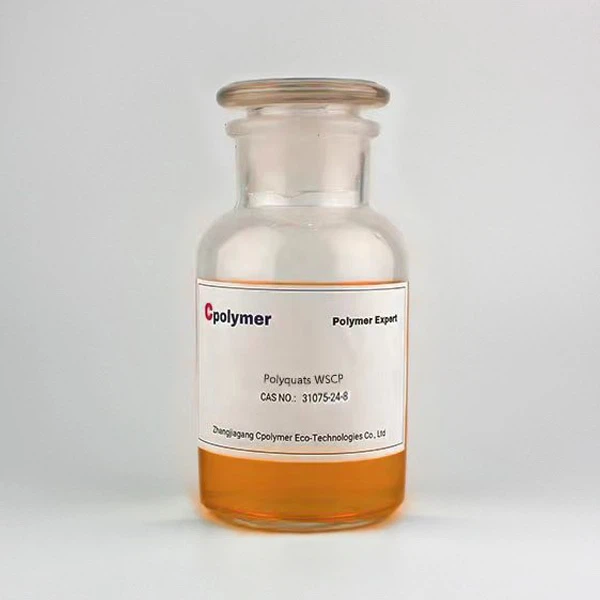
If you're interested in learning more about our polyamine products or discussing potential applications in the reproductive system, we'd love to hear from you. Whether you're a researcher, a healthcare provider, or a company involved in the fertility industry, we can provide you with the information and support you need.
Conclusion
In conclusion, polyamines play important roles in both male and female reproduction. They are involved in sperm production and function, ovarian function, oocyte maturation, and embryo development. While more research is needed to fully understand the potential benefits of polyamine supplementation for fertility, the existing evidence suggests that polyamines could be a promising area of study for improving reproductive health.
If you're interested in purchasing our polyamine products or have any questions about their potential applications, please don't hesitate to contact us. We're here to help you find the right solutions for your needs.
References
- Wallace, H. M., Fraser, A. V., & McKenzie, C. G. (2003). Physiological roles of polyamines in mammalian cells. Biochemical Journal, 376(Pt 1), 1-14.
- Kaur, J., & Bansal, R. (2018). Role of polyamines in male reproduction. Asian Journal of Andrology, 20(2), 119-124.
- Agarwal, A., & Said, T. M. (2004). Role of oxidative stress in female reproduction. Reproductive Biology and Endocrinology, 2(1), 28.
- Menezo, Y. J., & Martin, J. F. (2003). Role of polyamines in embryo development. Molecular Human Reproduction, 9(7), 411-417.