

Polyquaternium PQ, a cationic polymer, has been widely used in various industries due to its excellent properties such as high charge density, good water - solubility, and strong flocculation ability. As a supplier of polyquaternium PQ, ensuring the high - quality of our products is of utmost importance. In this blog, I will discuss the quality control measures we implement for polyquaternium PQ.
Raw Material Inspection
The quality of polyquaternium PQ starts with the raw materials. We carefully select our raw materials from reliable suppliers. Before accepting any raw materials, we conduct a series of strict inspections.
Chemical Composition Analysis
We use advanced analytical techniques such as nuclear magnetic resonance (NMR) and infrared spectroscopy (IR) to determine the chemical composition of the raw materials. These methods can accurately identify the functional groups and molecular structure of the raw materials, ensuring that they meet our specifications. For example, we check for the presence of specific monomers and their purity. Any raw materials with incorrect chemical compositions or low purity are rejected.
Impurity Detection
Impurities in the raw materials can significantly affect the quality of the final polyquaternium PQ product. We use high - performance liquid chromatography (HPLC) and inductively coupled plasma mass spectrometry (ICP - MS) to detect and quantify impurities. Trace amounts of heavy metals, such as lead, mercury, and cadmium, are strictly controlled. Our standards for impurity levels are in line with international regulations to ensure the safety of our products in different applications.
Process Control
During the production process of polyquaternium PQ, we implement strict process control measures to ensure consistent quality.
Reaction Conditions Monitoring
The polymerization reaction is a critical step in the production of polyquaternium PQ. We closely monitor reaction parameters such as temperature, pressure, reaction time, and pH value. These parameters can have a profound impact on the molecular weight, charge density, and solubility of the final product. For example, if the reaction temperature is too high, it may lead to side reactions and affect the quality of the polymer. We use automated control systems to maintain the reaction conditions within a narrow range to ensure reproducibility.
Mixing and Homogenization
Proper mixing and homogenization are essential to ensure the uniformity of the polyquaternium PQ product. We use advanced mixing equipment with precise control of rotation speed and mixing time. This helps to ensure that all components are evenly distributed in the reaction mixture, resulting in a product with consistent properties.

In - process Sampling and Testing
To monitor the quality of the product during the production process, we conduct in - process sampling and testing at regular intervals.
Physical Property Testing
We test the physical properties of the in - process samples, including viscosity, density, and solubility. Viscosity is an important indicator of the molecular weight of the polyquaternium PQ. We use viscometers to measure the viscosity of the samples at a specific temperature. Any significant deviation from the target viscosity value may indicate a problem in the production process, such as incorrect reaction conditions or the presence of impurities.
Chemical Property Testing
In addition to physical properties, we also test the chemical properties of the in - process samples. This includes measuring the charge density, degree of substitution, and active ingredient content. We use titration methods and potentiometric titration to determine these properties. By regularly testing the in - process samples, we can detect and correct any quality issues in a timely manner.
Final Product Testing
After the production process is completed, the final polyquaternium PQ product undergoes a comprehensive set of tests before it is released for sale.
Quality Assurance Testing
We conduct a battery of quality assurance tests to ensure that the final product meets our internal quality standards and customer requirements. These tests include the same physical and chemical property tests as the in - process samples, as well as additional tests for stability and compatibility.
Microbiological Testing
Microbiological contamination can pose a risk to the quality and safety of the polyquaternium PQ product, especially in applications such as water treatment. We use standard microbiological testing methods to detect the presence of bacteria, fungi, and other microorganisms. If the product fails the microbiological test, it will be re - processed or discarded.
Packaging and Storage
Proper packaging and storage are also important aspects of quality control.
Packaging Design
We use high - quality packaging materials that are resistant to moisture, oxygen, and light. The packaging is designed to protect the polyquaternium PQ product from environmental factors that could affect its quality during transportation and storage. For example, we use sealed containers to prevent moisture absorption, which can cause the product to clump or degrade.
Storage Conditions
We store our polyquaternium PQ products in a controlled environment. The storage temperature and humidity are carefully monitored to ensure that they are within the recommended range. This helps to maintain the stability and quality of the product over an extended period.
Comparison with Competing Products
To ensure that our polyquaternium PQ products are of the highest quality, we also compare them with competing products in the market.
Performance Evaluation
We conduct performance evaluations to compare the effectiveness of our polyquaternium PQ products with those of our competitors. This includes testing their flocculation ability, charge density, and stability in different applications. Our products often outperform competing products due to our strict quality control measures and advanced production technology.
Customer Feedback
We also value customer feedback. By listening to our customers' experiences with our products and competing products, we can identify areas for improvement and further optimize our quality control measures.
Applications of Polyquaternium PQ and Related Products
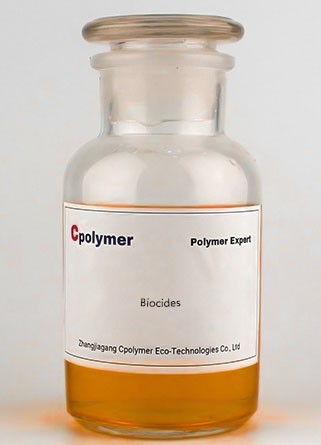
Polyquaternium PQ has a wide range of applications, especially in water treatment. High Viscosity Flocculants are often used in conjunction with polyquaternium PQ to enhance the flocculation process. In addition, Biocides and Biocides are used to control microbiological growth in water treatment systems, ensuring the overall quality and safety of the water.
Conclusion
As a supplier of polyquaternium PQ, we are committed to providing high - quality products to our customers. Through strict raw material inspection, process control, in - process and final product testing, and proper packaging and storage, we ensure that our polyquaternium PQ products meet the highest quality standards. If you are interested in our polyquaternium PQ products or have any questions about their quality control, please feel free to contact us for procurement and further discussions.
References
- ASTM International. Standard test methods for polymers and plastics.
- ISO standards for chemical product quality control.
- Journal articles on polymer synthesis and quality control.