

Polyquaternium PQ, a class of cationic polymers, has gained significant attention in various industries due to its unique properties and versatile applications. As a leading supplier of polyquaternium PQ, we often encounter questions from our clients regarding its solubility in different substances, particularly oil. In this blog post, we will delve into the scientific aspects of polyquaternium PQ solubility in oil, exploring the underlying principles, factors influencing solubility, and practical implications for various industries.
Understanding Polyquaternium PQ
Polyquaternium PQ is a group of polymers that contain quaternary ammonium functional groups. These functional groups impart a positive charge to the polymer, making it cationic in nature. The positive charge allows polyquaternium PQ to interact with negatively charged surfaces, such as hair, skin, and certain types of particles in water. This interaction leads to a variety of benefits, including conditioning, antistatic properties, and improved adhesion.
The chemical structure of polyquaternium PQ can vary widely, depending on the specific monomers used in its synthesis and the degree of polymerization. This structural diversity results in a range of physical and chemical properties, which in turn affects its solubility in different solvents.
Solubility Principles
Solubility is the ability of a substance (the solute) to dissolve in another substance (the solvent) to form a homogeneous solution. The solubility of a solute in a solvent is determined by several factors, including the chemical nature of the solute and solvent, temperature, pressure, and the presence of other solutes or additives.
In general, “like dissolves like.” This means that polar solvents tend to dissolve polar solutes, while non - polar solvents dissolve non - polar solutes. Water is a polar solvent, and many polyquaternium PQ polymers are soluble in water due to the presence of polar functional groups, such as the quaternary ammonium groups. On the other hand, oils are typically non - polar substances, consisting mainly of hydrocarbons.
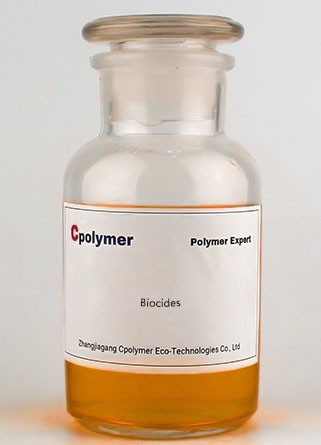

Is Polyquaternium PQ Soluble in Oil?
The solubility of polyquaternium PQ in oil is not straightforward and depends on several factors. Most polyquaternium PQ polymers are hydrophilic (water - loving) due to their polar nature. As a result, they have limited solubility in non - polar oils. However, some modified polyquaternium PQ polymers can exhibit improved solubility in oil.
Factors Affecting Solubility
- Chemical Structure: The chemical structure of polyquaternium PQ plays a crucial role in its solubility in oil. Polymers with long hydrophobic chains attached to the quaternary ammonium groups are more likely to be soluble in oil. These hydrophobic chains can interact with the non - polar oil molecules through van der Waals forces, facilitating dissolution.
- Degree of Polymerization: The degree of polymerization, which refers to the number of monomer units in the polymer chain, can also affect solubility. Lower molecular weight polyquaternium PQ polymers may be more soluble in oil than higher molecular weight ones. This is because lower molecular weight polymers have a smaller size and can more easily disperse in the oil phase.
- Temperature: Temperature can have a significant impact on the solubility of polyquaternium PQ in oil. In general, an increase in temperature increases the solubility of most substances. As the temperature rises, the kinetic energy of the molecules increases, allowing for more effective interaction between the solute and solvent molecules.
Applications and Implications
Cosmetics and Personal Care
In the cosmetics and personal care industry, polyquaternium PQ is commonly used in hair conditioners, shampoos, and skin care products. While most formulations are water - based, there is a growing demand for oil - based products, such as hair oils and body oils. The solubility of polyquaternium PQ in oil is important for formulators who want to incorporate its conditioning and antistatic properties into oil - based products.
If a polyquaternium PQ is soluble in oil, it can help to improve the manageability of hair, reduce static electricity, and enhance the overall sensory properties of the product. For example, in hair oils, a soluble polyquaternium PQ can coat the hair shaft, making it smoother and more lustrous.
Water Treatment
In water treatment applications, polyquaternium PQ is used as a coagulant and biocide. Organic Coagulants and Biocides are essential for removing impurities and controlling microbial growth in water. Although water is the primary solvent in these applications, there may be situations where polyquaternium PQ needs to be used in oil - water emulsions or in the presence of oil contaminants. Understanding its solubility in oil can help in designing more effective treatment processes.
Industrial Lubricants
In the industrial lubricant industry, polyquaternium PQ can be used as an additive to improve the performance of lubricants. If it is soluble in oil, it can enhance the lubricating properties, reduce wear and tear, and prevent corrosion. This can lead to longer equipment life and improved efficiency in industrial processes.
Testing and Evaluation
To determine the solubility of polyquaternium PQ in oil, several testing methods can be employed. One common method is the visual observation of the mixture. A known amount of polyquaternium PQ is added to a specific volume of oil, and the mixture is stirred or shaken. If the polymer dissolves completely, forming a clear and homogeneous solution, it is considered soluble.
Another method is the use of analytical techniques, such as spectroscopy or chromatography. These techniques can provide more detailed information about the interaction between the polyquaternium PQ and the oil molecules, as well as the concentration of the dissolved polymer in the oil phase.
Conclusion
In conclusion, the solubility of polyquaternium PQ in oil is a complex issue that depends on several factors, including chemical structure, degree of polymerization, and temperature. While most polyquaternium PQ polymers are hydrophilic and have limited solubility in oil, modified polymers with hydrophobic chains can exhibit improved solubility.
As a polyquaternium PQ supplier, we understand the importance of providing our clients with high - quality products that meet their specific requirements. Whether you are in the cosmetics, water treatment, or industrial lubricant industry, we can offer a range of polyquaternium PQ products with different solubility profiles.
If you are interested in learning more about our polyquaternium PQ products or have specific questions regarding their solubility in oil, we encourage you to contact us for a detailed discussion. Our team of experts is ready to assist you in finding the best solution for your application.
References
- Cosmetic Ingredient Review Expert Panel. “Final Report on the Safety Assessment of Polyquaternium - 1 through Polyquaternium - 62.” International Journal of Toxicology, vol. 22, no. suppl 3, 2003, pp. 1–94.
- Crittenden, John C., et al. Water Treatment: Principles and Design. 3rd ed., John Wiley & Sons, 2012.
- Rudnick, Larry R. Synthetics, Mineral Oils, and Bio - based Lubricants: Chemistry and Technology. 2nd ed., CRC Press, 2017.