

Hey there! As a supplier of organic coagulants, I'm super excited to dive into how these amazing products are applied in water treatment plants. Organic coagulants have been gaining popularity in recent years, and for good reason. They offer a more environmentally friendly and often more effective alternative to traditional inorganic coagulants. So, let's get started and explore the ins and outs of their application.
What are Organic Coagulants?
First things first, let's quickly go over what organic coagulants are. These are natural or synthetic polymers that are used to remove suspended particles, colloids, and other impurities from water. Unlike inorganic coagulants like aluminum sulfate or ferric chloride, organic coagulants are made from organic materials, which makes them biodegradable and less likely to leave harmful residues in the treated water.
How Do They Work?
The basic principle behind the use of coagulants in water treatment is to neutralize the electrical charges on the particles in the water. Most suspended particles in water have a negative charge, which causes them to repel each other and stay in suspension. Organic coagulants are positively charged, so when they are added to the water, they attract the negatively charged particles and cause them to clump together. These clumps, or flocs, are then easier to remove from the water through sedimentation or filtration.
Application in Water Treatment Plants
Pre - Treatment
In water treatment plants, organic coagulants are often used in the pre - treatment stage. This is where the raw water first enters the plant, and it may contain a variety of impurities such as dirt, sand, and organic matter. By adding organic coagulants at this stage, the suspended particles can be quickly removed, reducing the load on the subsequent treatment processes. For example, in a surface water treatment plant, the water from a river or lake may be quite turbid. Adding an organic coagulant can help to clarify the water before it moves on to more advanced treatment steps.
Coagulation and Flocculation Tanks
Once the organic coagulant is added to the water, it needs time to mix and react with the suspended particles. This usually takes place in coagulation and flocculation tanks. In the coagulation tank, rapid mixing is used to disperse the coagulant evenly throughout the water. Then, in the flocculation tank, gentle mixing is applied to allow the flocs to grow larger. The size and strength of the flocs are important, as larger and stronger flocs are easier to separate from the water. Organic coagulants can be adjusted to produce flocs of the desired characteristics, depending on the specific water quality and treatment requirements.
Sedimentation and Filtration
After the flocs have formed, they need to be removed from the water. This is typically done through sedimentation and filtration. In the sedimentation tank, the water is allowed to sit still for a period of time, and the flocs settle to the bottom of the tank due to gravity. The clarified water is then drawn off from the top. Some water treatment plants also use filtration to further remove any remaining flocs and impurities. Organic coagulants can enhance the sedimentation and filtration processes by producing well - formed flocs that settle more quickly and are more easily trapped by the filter media.
Post - Treatment
In some cases, organic coagulants can also be used in the post - treatment stage. For example, if there are still some fine particles or colloids remaining in the water after the main treatment processes, a small amount of organic coagulant can be added to improve the final water quality. This can be especially important for applications where very high - quality water is required, such as in the production of drinking water or for industrial processes that are sensitive to impurities.
Advantages of Using Organic Coagulants in Water Treatment Plants
Environmental Friendliness
As mentioned earlier, organic coagulants are biodegradable, which means they break down naturally in the environment. This is a major advantage over inorganic coagulants, which can leave behind residues such as aluminum or iron in the treated water. These residues can be harmful to human health and the environment, especially in high concentrations. By using organic coagulants, water treatment plants can reduce their environmental impact and produce more sustainable water treatment solutions.
Cost - Effectiveness
In some cases, organic coagulants can be more cost - effective than inorganic coagulants. Although the initial cost of organic coagulants may be slightly higher, they often require lower dosages to achieve the same level of treatment. Additionally, because they produce stronger and more stable flocs, the sedimentation and filtration processes are more efficient, which can reduce the overall operating costs of the water treatment plant.
Versatility
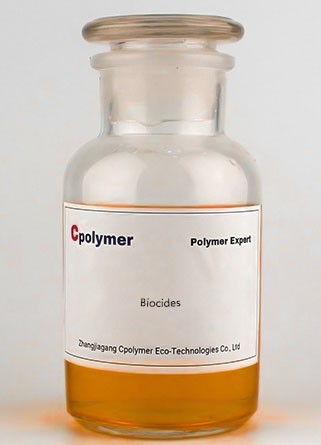
Organic coagulants can be used in a wide range of water treatment applications. They can be effective in treating different types of water, including surface water, groundwater, and wastewater. They can also be used in combination with other treatment chemicals, such as Swimming Pool Clarifiers or Biocides, Biocides, to achieve the best results.
Challenges and Considerations
Dosage Optimization
One of the main challenges in using organic coagulants is determining the correct dosage. The optimal dosage depends on several factors, including the water quality, the type of organic coagulant, and the treatment objectives. Too little coagulant may not be enough to remove all the impurities, while too much can lead to over - coagulation, which can actually make the water more difficult to treat. Water treatment plant operators need to conduct regular water quality tests and adjust the dosage accordingly.

Compatibility with Other Chemicals
As mentioned earlier, organic coagulants can be used in combination with other treatment chemicals. However, it's important to ensure that they are compatible. Some chemicals may react with the organic coagulant and reduce its effectiveness or cause unwanted side effects. Before using a new combination of chemicals, it's a good idea to conduct small - scale tests to check for compatibility.
Contact Us for Your Organic Coagulant Needs
If you're running a water treatment plant or are involved in any water treatment project and are interested in using organic coagulants, we'd love to hear from you. Our team of experts can help you determine the best type of organic coagulant for your specific needs and provide you with all the support you need for a successful water treatment process. Contact us today to start the conversation about how our organic coagulants can improve your water treatment efficiency and quality.
References
- AWWA (American Water Works Association). Water Treatment Principles and Design.
- Metcalf & Eddy. Wastewater Engineering: Treatment and Reuse.