

Hey there! As a supplier of cationic polymer series, I've been getting a lot of questions lately about whether these polymers can be used in the textile industry. Well, let me tell you, the answer is a big fat yes! In this blog post, I'll dive into the details of how cationic polymer series can revolutionize the textile industry.
First off, let's talk about what cationic polymers are. These are polymers that carry a positive charge. This positive charge gives them some unique properties that make them super useful in a variety of applications, including textiles. There are different types of cationic polymers in our series, such as Polyamine, Poly Acrylamide Co Diallyldimethylammonium Chloride, and Polyquats WSCP. Each of these has its own set of characteristics that can benefit the textile industry in different ways.
One of the main advantages of using cationic polymers in textiles is their ability to improve dyeing processes. Traditional dyeing methods can sometimes be inefficient, with a lot of dye being wasted. Cationic polymers can help change that. They have a strong affinity for anionic dyes, which are commonly used in the textile industry. When added to the dye bath, cationic polymers can attract the anionic dyes and help them bind more effectively to the fabric fibers. This means better color fastness, which is a big deal in the textile world. Customers don't want their clothes to fade after just a few washes, right? With cationic polymers, we can make sure that the colors stay vibrant for longer.
Another great thing about cationic polymers is their anti - static properties. Static electricity can be a real nuisance in the textile industry. It can cause fabrics to cling to each other during manufacturing, making it difficult to handle them. It can also attract dust and lint, which is not good for the final product. Cationic polymers can neutralize the static charge on the fabric surface. By forming a thin layer on the fibers, they prevent the build - up of static electricity. This makes the manufacturing process smoother and the finished products more appealing to consumers.
Cationic polymers can also enhance the softness of textiles. They can be used as softening agents. When applied to the fabric, they can penetrate the fiber structure and lubricate the fibers. This reduces the friction between the fibers, making the fabric feel softer and more comfortable to wear. Who doesn't love a soft and cozy piece of clothing? It can really improve the overall quality of the textile products.
In addition to these benefits, cationic polymers can also help with fabric finishing. They can be used to create water - repellent and oil - repellent finishes. By modifying the surface properties of the fabric, cationic polymers can make it resistant to water and oil stains. This is especially useful for outdoor clothing and workwear. People who work in dirty or wet environments need clothes that can withstand these conditions, and cationic polymers can help make that happen.
Let's take a closer look at some of the specific cationic polymers in our series and how they work in the textile industry.
Polyamine is a versatile cationic polymer. It has a high charge density, which means it can bind strongly to anionic dyes. This makes it excellent for improving dye uptake and color fastness. Polyamine can also be used as a flocculant in textile wastewater treatment. Textile manufacturing generates a lot of wastewater, which often contains dyes and other pollutants. Polyamine can help remove these pollutants by causing them to clump together, making it easier to separate them from the water. This is not only good for the environment but also for the cost - effectiveness of the manufacturing process.
Poly Acrylamide Co Diallyldimethylammonium Chloride is another important polymer in our series. It has a good balance of hydrophilic and hydrophobic properties. This allows it to be easily dispersed in water and interact well with both the fabric fibers and the dyes. It can improve the leveling of dyes on the fabric, which means more uniform color distribution. No one wants a piece of clothing with uneven color, right? Poly Acrylamide Co Diallyldimethylammonium Chloride can make sure that the color is consistent throughout the fabric.
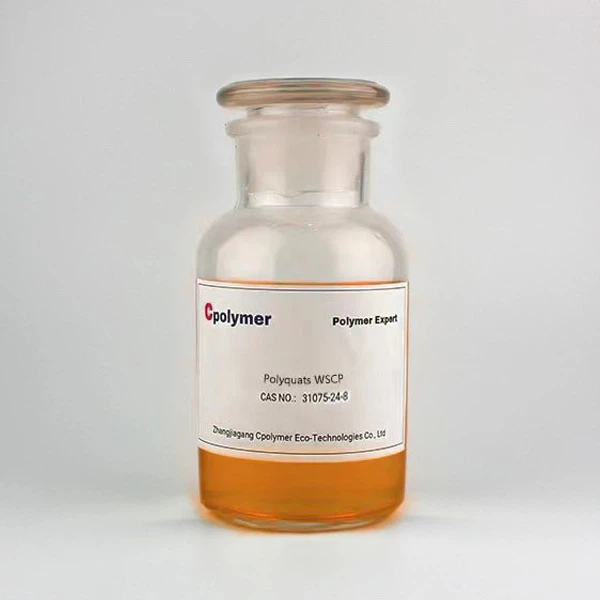
Polyquats WSCP is known for its excellent antimicrobial properties. In the textile industry, this can be a game - changer. Microorganisms can cause fabric degradation, unpleasant odors, and even health problems for the wearers. Polyquats WSCP can inhibit the growth of bacteria, fungi, and other microbes on the fabric surface. This is especially important for products like sportswear and underwear, where hygiene is crucial.

Now, I know what you're thinking. "Sounds great, but are there any drawbacks?" Well, like any other chemical, cationic polymers need to be used correctly. If the dosage is too high, it can cause some issues. For example, it might make the fabric too stiff or change its hand feel in an undesirable way. But with proper testing and optimization, these problems can be easily avoided. Our team of experts can provide guidance on the right dosage and application methods for different types of fabrics and processes.
In conclusion, cationic polymer series have a lot to offer the textile industry. From improving dyeing processes and anti - static properties to enhancing softness and providing antimicrobial protection, they can really take textile products to the next level. If you're in the textile industry and looking for ways to improve your products, I highly recommend considering cationic polymers. Whether you're a small - scale manufacturer or a large - scale production facility, we can provide the right cationic polymer solutions for you.
If you're interested in learning more about our cationic polymer series or want to discuss how they can be integrated into your textile processes, don't hesitate to reach out. We're always happy to have a chat and see how we can help you take your business to new heights.
References
- "Textile Chemicals: Environmental Data and Facts" by H. K. Rouette
- "Dyeing of Textiles" by T. C. Cheng
- Journal articles on cationic polymers and their applications in the textile industry from various scientific publishers.