

Hey there! As a supplier of polixetonium chloride, I often get asked a whole bunch of questions about this stuff. One question that pops up more often than you'd think is, "What is the color of polixetonium chloride?" So, I thought I'd take a few minutes to break it down for you.
First off, let's talk a bit about what polixetonium chloride is. It's a type of cationic polymer, and it's got some pretty cool properties that make it useful in a bunch of different industries. You can find out more about it on our website Polixetonium Chloride.
Now, back to the color. Polixetonium chloride typically comes in a clear to slightly yellowish liquid form. The exact shade can vary a bit depending on a few factors. One of the main things that can affect the color is the manufacturing process. Different production methods might lead to slight variations in color. For example, if there are some impurities or by - products in the manufacturing process, it could give the polixetonium chloride a slightly different hue.
Another factor is the concentration. Higher concentrations of polixetonium chloride might appear a bit darker or more yellowish compared to lower concentrations. In general, though, the color range is pretty consistent within a certain quality standard.
You might be wondering why the color matters. Well, in some industries, the color can actually be an indicator of quality. For instance, in the cosmetic industry, a clear and consistent color is often preferred. If the polixetonium chloride used in a cosmetic product has an off - color, it could potentially affect the appearance of the final product. Consumers are often more likely to buy a product that looks clean and consistent in color.
In the water treatment industry, while the color might not be as crucial as in cosmetics, it still can give some clues about the purity of the product. A very dark or cloudy - looking polixetonium chloride might indicate the presence of contaminants, which could affect its performance in water treatment applications.
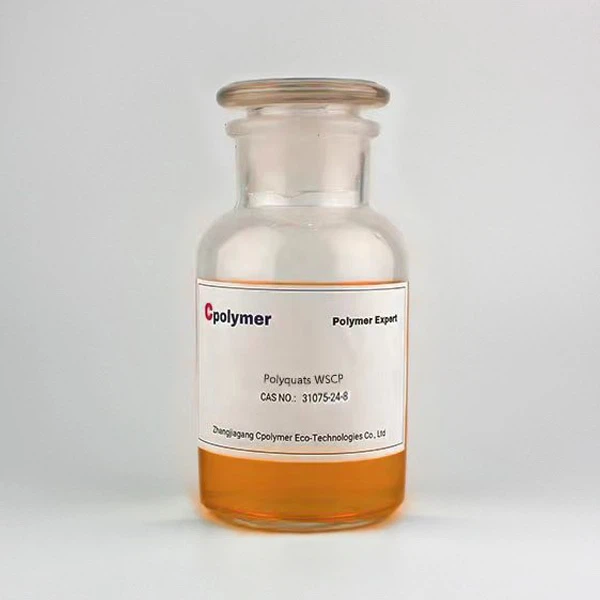
Now, let's compare polixetonium chloride with some other related polymers. We also supply Polyamine and Polyquats WSCP. Polyamine usually has a color similar to polixetonium chloride, often clear to slightly yellow. However, Polyquats WSCP might have a different color profile depending on its specific formulation. Some versions of Polyquats WSCP can be a bit more amber - colored.
When it comes to storage, the color of polixetonium chloride can also change over time if it's not stored properly. Exposure to light, heat, or air can cause some chemical reactions that might alter the color. So, it's really important to store it in a cool, dark place in a tightly sealed container.
If you're in the market for a high - quality polixetonium chloride, we've got you covered. Our product is carefully manufactured to ensure a consistent color and high purity. We use strict quality control measures to make sure that every batch of polixetonium chloride we supply meets the highest standards.
Whether you're in the cosmetic, water treatment, or any other industry that uses polixetonium chloride, we're here to provide you with the best product possible. If you have any further questions about the color, quality, or anything else related to polixetonium chloride, don't hesitate to reach out. We'd be more than happy to discuss your specific needs and see how we can help you with your procurement.

In conclusion, the color of polixetonium chloride is typically clear to slightly yellowish, but it can vary based on manufacturing, concentration, and storage conditions. If you're interested in purchasing polixetonium chloride, or if you just want to learn more about it, feel free to get in touch. We're always open to having a conversation about how our products can fit into your business.
References
- Industry reports on cationic polymers
- Product manufacturing guidelines from chemical suppliers