

As a reliable supplier of cationic polymer series, I understand the significance of proper storage conditions to maintain the quality and performance of these products. Cationic polymers are widely used in various industries, including water treatment, papermaking, and oil and gas, due to their unique properties such as high charge density and excellent flocculation ability. In this blog post, I will discuss the essential storage conditions for cationic polymer series to ensure their long - term stability and effectiveness.
Temperature
Temperature is one of the most critical factors affecting the storage of cationic polymers. Generally, cationic polymers should be stored at a moderate temperature range. Most cationic polymers perform best when stored between 5°C and 35°C.
At lower temperatures, some cationic polymers may start to thicken or even solidify. For example, Polyamine, a popular product in our cationic polymer series [you can click here to learn more about Polyamine: Polyamine]. If stored below its recommended temperature, the viscosity of Polyamine can increase significantly. This change in viscosity not only makes it difficult to handle and transfer but also may affect its chemical properties. When the polymer thickens, the molecular chains may start to entangle more tightly, which can reduce its ability to interact with other substances in the intended applications.
On the other hand, high temperatures can accelerate the degradation of cationic polymers. Excessive heat can cause the breakdown of the polymer chains, leading to a decrease in molecular weight. For Polyquats WSCP, [you can visit this link for more details: Polyquats WSCP], exposure to temperatures above 35°C for an extended period can result in the loss of its cationic charge. This is because the chemical bonds in the polymer structure are more likely to break under high - energy conditions, and the functional groups responsible for the positive charge may be damaged. As a result, the polymer's performance in applications such as water treatment, where the cationic charge is crucial for flocculation and sedimentation, will be severely compromised.
Humidity
Humidity also plays a vital role in the storage of cationic polymer series. Cationic polymers are often hygroscopic, meaning they can absorb moisture from the surrounding environment. High humidity levels can cause the polymers to clump together. When the polymer particles absorb water, they may form aggregates, which can be difficult to disperse evenly when used in applications.
For instance, in a humid storage environment, the Polyamine powder may absorb water and form lumps. These lumps not only make it challenging to measure the correct dosage but also affect the uniformity of the polymer solution when it is dissolved. Moreover, the presence of excessive moisture can promote the growth of microorganisms. Microbial contamination can lead to the degradation of the polymer and the production of unpleasant odors. To prevent these issues, it is recommended to store cationic polymers in a dry place with a relative humidity of less than 60%. If possible, using desiccants in the storage area can help maintain a low - humidity environment.
Light
Exposure to light, especially ultraviolet (UV) light, can have a negative impact on cationic polymers. UV light has high energy that can break the chemical bonds in the polymer structure. When cationic polymers are exposed to sunlight or strong artificial UV light for a long time, the polymer chains can be degraded.
This degradation can result in a change in the polymer's physical and chemical properties. For example, the color of the polymer may change, and its solubility may be affected. Some cationic polymers may become less soluble in water after UV exposure, which can cause problems in applications where a homogeneous solution is required. To protect cationic polymers from light, they should be stored in opaque containers or in a dark storage area. If the polymers are stored in transparent containers, it is advisable to cover them with a light - blocking material.
Container Material
The choice of container material for storing cationic polymers is also important. Cationic polymers are often reactive and can interact with certain materials. It is recommended to use containers made of materials that are chemically inert to the polymers.
Plastic containers made of high - density polyethylene (HDPE) or polypropylene (PP) are commonly used for storing cationic polymers. These materials are resistant to corrosion and do not react with most cationic polymers. Glass containers can also be used, but they need to be handled carefully to avoid breakage. Metal containers should generally be avoided, as some metals can react with cationic polymers. For example, iron can react with the cationic groups in the polymer, leading to the formation of insoluble complexes and the degradation of the polymer.
Air and Oxygen
Air and oxygen can cause oxidation of cationic polymers over time. Oxidation can lead to the degradation of the polymer chains and the loss of their cationic properties. To minimize the contact between cationic polymers and air, it is important to keep the containers tightly sealed.
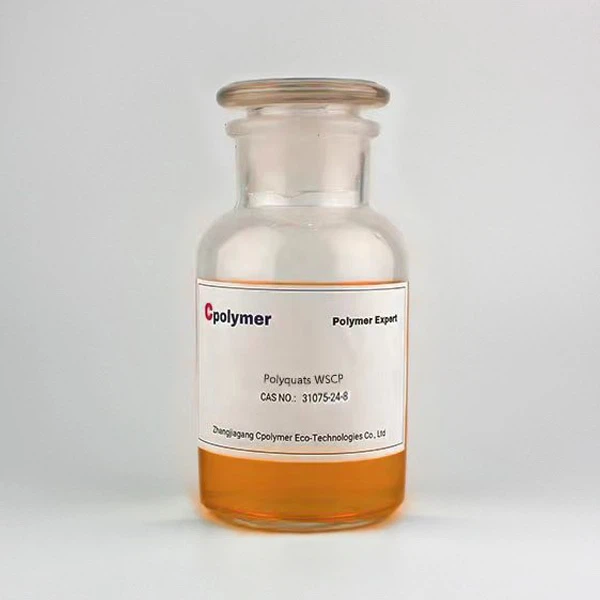

For liquid cationic polymers, it is advisable to use containers with a small headspace to reduce the amount of air inside. If possible, storing the polymers under an inert gas such as nitrogen can also effectively prevent oxidation. Nitrogen can displace the oxygen in the container and create a protective atmosphere for the polymers.
Separation from Other Chemicals
Cationic polymers should be stored separately from other chemicals, especially anionic substances. Cationic and anionic polymers are highly reactive with each other. When they come into contact, they can form insoluble complexes immediately.
For example, if a container of cationic Polyamine [you can find more information about Polyamine here: Polyamine] is accidentally mixed with an anionic polymer during storage, a large amount of precipitate will be formed. This not only wastes the polymers but also makes the storage area difficult to clean. In addition, cationic polymers may also react with some strong acids, bases, or oxidizing agents. Therefore, it is necessary to have a dedicated storage area for cationic polymers and keep them away from other incompatible chemicals.
Monitoring and Inspection
Regular monitoring and inspection of the stored cationic polymers are essential. Check the storage conditions, including temperature, humidity, and light exposure, on a regular basis. If any abnormal conditions are found, such as a sudden increase in temperature or humidity, take immediate measures to correct them.
Inspect the containers for any signs of damage, leakage, or contamination. If there are any lumps or changes in the appearance of the polymers, further analysis may be required to determine if the quality has been affected. By conducting regular inspections, potential problems can be detected early, and appropriate actions can be taken to ensure the quality of the cationic polymers.
In conclusion, proper storage conditions are crucial for maintaining the quality and performance of cationic polymer series. By controlling temperature, humidity, light, container material, air exposure, and separation from other chemicals, and by conducting regular monitoring and inspection, we can ensure that our cationic polymers remain in optimal condition for a long time.
If you are interested in our cationic polymer series products and would like to learn more about their applications and purchasing details, please feel free to contact us for further discussions. We are committed to providing high - quality products and excellent customer service.
References
- Polymer Science and Technology, Third Edition, by Donald R. Paul and Christopher L. Macosko
- Handbook of Water and Wastewater Treatment Plant Operations, Third Edition, by William C. Sawyer, Perry L. McCarty, and Gene F. Parkin
- Industrial Water Treatment Handbook, Fourth Edition, by W. D. Pritchard