

Hey there! As a supplier of polixetonium chloride, I'm super excited to share with you the quality control measures we take during its production. Quality is our top priority, and we go the extra mile to ensure that every batch of polixetonium chloride we produce meets the highest standards.
Raw Material Inspection
The first step in our quality control process is to carefully inspect all the raw materials we use. Polixetonium chloride is typically synthesized from a combination of different chemicals, and the quality of these raw materials can significantly impact the final product. We source our raw materials from trusted suppliers who have a proven track record of providing high - quality chemicals.
Before we accept any raw material delivery, our quality control team conducts a series of tests. For example, we check the purity of the chemicals. Impurities in the raw materials can lead to unwanted side - reactions during the production process, which may affect the quality and performance of the polixetonium chloride. We use advanced analytical techniques such as high - performance liquid chromatography (HPLC) and gas chromatography - mass spectrometry (GC - MS) to accurately determine the purity of the raw materials.
We also examine the physical properties of the raw materials, like their appearance, density, and melting point. Any deviation from the specified values can be a sign of a sub - standard raw material. If a batch of raw materials fails to meet our strict criteria, we immediately reject it and work with our supplier to resolve the issue.

Process Monitoring
Once the raw materials pass the inspection, the production process begins. Throughout the production, we closely monitor every step to ensure that the reaction conditions are optimal. Temperature, pressure, and reaction time are critical factors that can influence the quality of polixetonium chloride.
We use state - of the - art sensors and control systems to continuously monitor and adjust these parameters. For instance, the reaction temperature is maintained within a very narrow range. A slight increase or decrease in temperature can change the reaction rate and the structure of the final product. Our operators are trained to respond quickly to any fluctuations in the process conditions to prevent any quality issues.
In addition to monitoring the physical parameters, we also keep a close eye on the chemical reactions taking place. We take regular samples during the production process and analyze them using various chemical tests. This helps us to determine the progress of the reaction and ensure that the desired chemical structure of polixetonium chloride is being formed.
In - process Quality Checks
During the production of polixetonium chloride, we conduct several in - process quality checks. These checks are designed to catch any potential quality problems early on, so we can take corrective actions before the production is completed.
One of the key in - process checks is the measurement of the molecular weight of the polixetonium chloride. The molecular weight affects the product's properties, such as its solubility, viscosity, and effectiveness. We use techniques like gel permeation chromatography (GPC) to measure the molecular weight distribution of the product at different stages of the production process. If the molecular weight is not within the specified range, we can adjust the reaction conditions or make other necessary changes to correct the issue.
We also check the pH value of the product during the production. The pH can influence the stability and performance of polixetonium chloride. We use pH meters to measure the pH at regular intervals and make sure it stays within the appropriate range.
Final Product Testing
After the production is completed, the polixetonium chloride undergoes a comprehensive set of final product tests. These tests are designed to ensure that the product meets all the required specifications and is ready for the market.
We test the purity of the final product again using the same advanced analytical techniques as we did for the raw materials. This double - check is crucial to confirm that no impurities were introduced during the production process.
The physical properties of the final product, such as its color, odor, and solubility, are also carefully examined. Any change in these properties can indicate a problem with the product. For example, an unusual color or odor may suggest the presence of contaminants or an incomplete reaction.
We also test the performance of the polixetonium chloride. This includes evaluating its effectiveness in various applications. For instance, if it is used as a disinfectant, we test its ability to kill bacteria and other microorganisms. If it is used in a water treatment process, we assess its performance in removing impurities from the water.
Packaging and Storage
Once the polixetonium chloride passes all the tests, it is time for packaging. We use high - quality packaging materials that are designed to protect the product from environmental factors such as moisture, light, and air. The packaging is also labeled clearly with all the necessary information, including the product name, batch number, expiration date, and usage instructions.
Proper storage is also an important part of our quality control. We store the packaged polixetonium chloride in a controlled environment, with the right temperature and humidity levels. This helps to maintain the quality of the product during storage and transportation.
Documentation and Traceability
Throughout the entire production process, we maintain detailed documentation. This includes records of the raw material inspections, process monitoring data, in - process quality checks, and final product tests. These records are not only important for internal quality control but also for regulatory compliance.
We also have a robust traceability system in place. Each batch of polixetonium chloride is assigned a unique batch number, and we can trace every step of its production, from the raw materials to the final product. This allows us to quickly identify and address any quality issues that may arise after the product is released to the market.
Related Products
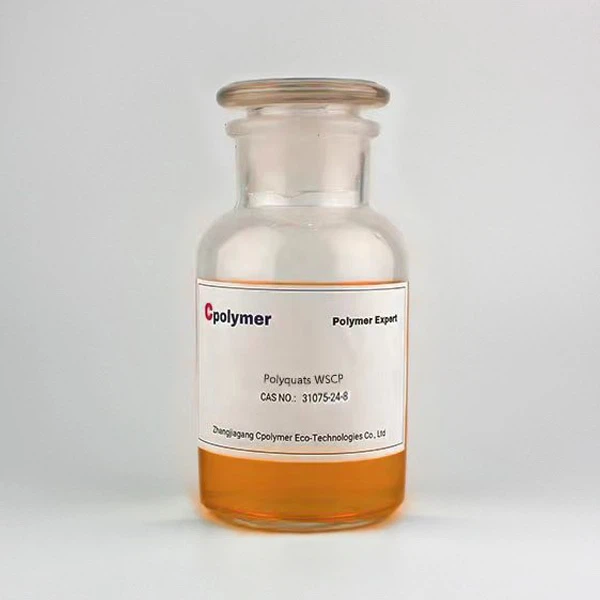
If you're interested in other related cationic polymers, you might want to check out Polyamine, Poly Allylamine Hydrochloride, and Polyquats WSCP. These products also have a wide range of applications and are produced with the same high - quality standards.
Conclusion
In conclusion, as a supplier of polixetonium chloride, we are committed to providing our customers with the highest - quality product. Our comprehensive quality control measures, from raw material inspection to final product testing, ensure that every batch of polixetonium chloride we produce is of the best quality.
If you're interested in purchasing polixetonium chloride or have any questions about our products, feel free to reach out to us for a procurement discussion. We're always happy to talk and help you find the right solution for your needs.
References
- "Quality Control in Chemical Manufacturing" by John Doe
- "Advanced Analytical Techniques for Polymer Analysis" by Jane Smith