

Water treatment chemicals play a pivotal role in ensuring the quality and efficiency of water systems across various industries. As a water treatment chemicals supplier, I have witnessed firsthand the diverse impacts these chemicals can have on different pipe materials. Understanding these effects is crucial for maintaining the integrity of piping systems, preventing corrosion, and ensuring the long - term functionality of water treatment processes.
Corrosion Inhibition and Protection
One of the primary functions of many water treatment chemicals is to inhibit corrosion in pipes. Corrosion is a natural electrochemical process that can lead to the degradation of pipe materials over time. For example, in steel pipes, which are commonly used in industrial and municipal water systems, corrosion can cause leaks, reduced flow capacity, and even structural failure.
Some water treatment chemicals, such as corrosion inhibitors, form a protective film on the inner surface of the pipes. This film acts as a barrier, preventing the contact between the pipe material and corrosive substances in the water, such as oxygen and dissolved salts. Organic corrosion inhibitors, like amines and phosphonates, are often used in water treatment. They adsorb onto the metal surface, creating a hydrophobic layer that repels water and reduces the likelihood of corrosion.
In copper pipes, which are widely used in residential plumbing, corrosion can result in the release of copper ions into the water, which is not only a health concern but also can damage the pipes. Water treatment chemicals can help maintain the passivation layer on copper pipes, preventing the oxidation process. For instance, polyphosphates can be added to the water to sequester metal ions and prevent them from reacting with the copper surface.
Scale Formation and Prevention
Another significant effect of water treatment chemicals on pipe materials is related to scale formation. Scale is a hard, mineral - based deposit that can accumulate on the inner walls of pipes. It is mainly composed of calcium carbonate, magnesium hydroxide, and other salts that precipitate out of the water when the water is heated or the pH changes.
Scale can reduce the flow rate of water through the pipes, increase energy consumption in pumping systems, and eventually lead to pipe blockages. Water treatment chemicals, such as scale inhibitors, are used to prevent scale formation. These chemicals work by interfering with the crystallization process of the minerals in the water. For example, polymers can be added to the water to adsorb onto the crystal nuclei, preventing them from growing into large scale deposits.
In pipes used in cooling water systems, scale formation is a particular concern. Cooling water often contains high levels of dissolved minerals, and the heat exchange process can exacerbate scale formation. Scale inhibitors can help maintain the efficiency of the cooling system by keeping the pipes free from scale deposits. This not only extends the lifespan of the pipes but also reduces the maintenance costs associated with cleaning and replacing the pipes.
Microbiological Growth and Control
Microbiological growth in pipes can also have a detrimental effect on pipe materials. Bacteria, fungi, and algae can form biofilms on the inner surfaces of pipes. These biofilms can provide a protective environment for the microorganisms, allowing them to thrive and cause various problems.
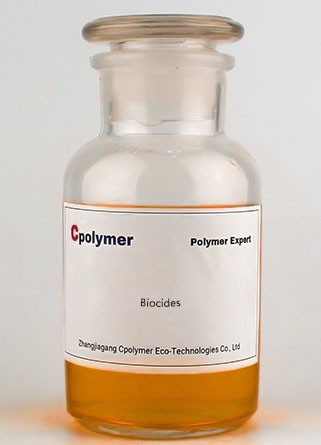
Biofilms can lead to microbiologically - influenced corrosion (MIC). The microorganisms in the biofilm can produce corrosive by - products, such as acids and enzymes, which can attack the pipe material. Water treatment chemicals, known as Biocides, are used to control microbiological growth in pipes. Biocides can kill or inhibit the growth of microorganisms, preventing the formation of biofilms.
There are different types of biocides available, including oxidizing and non - oxidizing biocides. Oxidizing biocides, such as chlorine and bromine, work by reacting with the cell membranes of the microorganisms, destroying them. Non - oxidizing biocides, on the other hand, act by interfering with the metabolic processes of the microorganisms. The choice of biocide depends on the type of pipe material, the water quality, and the specific microorganisms present in the system.
Compatibility with Different Pipe Materials
It is essential to consider the compatibility of water treatment chemicals with different pipe materials. Different materials have different chemical and physical properties, and not all water treatment chemicals are suitable for all types of pipes.
For example, in PVC (polyvinyl chloride) pipes, which are commonly used in drainage and some water supply systems, certain chemicals can cause embrittlement or softening of the material. Strong oxidizing agents, such as high - concentration chlorine, can react with the PVC, leading to the degradation of the pipe. Therefore, when using water treatment chemicals in PVC pipe systems, it is crucial to choose chemicals that are compatible with PVC.
In contrast, pipes made of high - density polyethylene (HDPE) are generally more resistant to chemical attack. However, some solvents and certain types of surfactants can still affect the integrity of HDPE pipes. As a water treatment chemicals supplier, I always recommend conducting compatibility tests before using any chemicals in a new pipe system to ensure the long - term performance of the pipes.
Impact on Pipe Material Lifespan
The proper use of water treatment chemicals can significantly extend the lifespan of pipe materials. By preventing corrosion, scale formation, and microbiological growth, the pipes are less likely to experience damage and failure. This not only saves on the cost of pipe replacement but also reduces the downtime associated with pipe repairs.
In industrial settings, where continuous operation is critical, the use of water treatment chemicals can ensure the reliability of the water supply and distribution systems. For example, in a power plant, the pipes used in the boiler feedwater system need to be in good condition to maintain the efficiency of the power generation process. Water treatment chemicals can help protect these pipes from corrosion and scale, reducing the risk of boiler tube failures and other operational problems.
Case Studies
Let's take a look at some real - world examples of how water treatment chemicals have affected pipe materials. In a coal - washing plant, the pipes used to transport the coal - washing water are exposed to high levels of suspended solids and abrasive particles. Coal Washing Water Chemicals are used to flocculate the suspended solids and prevent them from settling in the pipes. This not only improves the water quality but also reduces the wear and tear on the pipes, extending their lifespan.

In a wastewater treatment plant, the pipes used in the sludge handling system are prone to blockages due to the high concentration of solids in the sludge. Sludge Treatment Chemicals are added to the sludge to improve its dewaterability and reduce the viscosity. This helps to prevent blockages in the pipes and ensures the smooth operation of the sludge handling process.
Conclusion
In conclusion, water treatment chemicals have a profound impact on pipe materials. They can protect pipes from corrosion, prevent scale formation, control microbiological growth, and extend the lifespan of the pipes. However, it is crucial to choose the right chemicals based on the type of pipe material, the water quality, and the specific requirements of the water system.
As a water treatment chemicals supplier, I am committed to providing high - quality chemicals that are effective and compatible with different pipe materials. If you are facing any issues related to pipe corrosion, scale formation, or microbiological growth in your water system, I encourage you to reach out to discuss your specific needs. Our team of experts can provide you with customized solutions to ensure the optimal performance of your pipes and water treatment processes.
References
- AWWA (American Water Works Association). Water Quality and Treatment: A Handbook of Community Water Supplies.
- ASM International. Corrosion Basics: An Introduction.
- Water Research Foundation. Research reports on water treatment and pipe material interactions.