

When it comes to sludge treatment, the choice between liquid and powder chemicals is a crucial decision that can significantly impact the efficiency and cost - effectiveness of the process. As a sludge treatment chemicals supplier, I've witnessed firsthand the unique characteristics and applications of both types of chemicals. In this blog, I'll explore the key differences between liquid and powder sludge treatment chemicals to help you make an informed choice for your specific needs.

Physical Properties
One of the most obvious differences between liquid and powder sludge treatment chemicals lies in their physical states. Liquid chemicals are in a fluid form, which makes them easy to handle and dispense. They can be directly pumped into the treatment system, eliminating the need for additional equipment for dissolution. This simplicity in handling reduces the risk of dust generation, which is a common concern with powder chemicals.
On the other hand, powder chemicals are dry and granular. They usually require a dissolution step before they can be used in the treatment process. This involves mixing the powder with water in a specific ratio to form a homogeneous solution. The dissolution process can be time - consuming and may require specialized equipment such as agitators to ensure complete dissolution. However, powder chemicals have a longer shelf life compared to liquid chemicals. Liquid chemicals are more prone to degradation over time, especially if they are not stored under the right conditions.
Dissolution and Activation
Liquid sludge treatment chemicals are already in a dissolved state, which means they can be immediately active once they are introduced into the treatment system. This rapid activation can be beneficial in applications where quick results are required. For example, in emergency situations where there is a sudden increase in sludge volume or a change in sludge characteristics, liquid chemicals can be used to quickly stabilize the treatment process.
Powder chemicals, as mentioned earlier, need to be dissolved before they can be effective. The dissolution time can vary depending on the type of chemical, the particle size of the powder, and the temperature and agitation of the dissolution water. Smaller particle sizes generally dissolve faster than larger ones. Additionally, some powder chemicals may require heating or specific pH conditions during the dissolution process to achieve optimal activation. Once dissolved, powder chemicals can provide a more concentrated and long - lasting treatment effect in some cases.
Dosage and Application
The dosage of liquid and powder sludge treatment chemicals is often determined by the same factors, such as the volume and characteristics of the sludge, the treatment goals, and the type of treatment process. However, the way the dosage is measured and applied can be different.
Liquid chemicals are typically dosed using volumetric methods, such as per liter or gallon of sludge. This is relatively straightforward, as the volume can be easily measured using pumps or flow meters. The dosage can be adjusted quickly by changing the flow rate of the liquid chemical into the treatment system.
Powder chemicals are usually dosed based on weight, such as grams or kilograms per cubic meter of sludge. Measuring the weight accurately requires proper weighing equipment. The application of powder chemicals may also require more careful control to ensure even distribution throughout the sludge. Uneven distribution can lead to ineffective treatment in some areas of the sludge while over - dosing in others.
Cost Considerations
Cost is an important factor in any sludge treatment operation. The cost of liquid and powder sludge treatment chemicals can be compared from different perspectives.
In terms of the purchase price, powder chemicals are often more cost - effective per unit of active ingredient. This is because the manufacturing process of powder chemicals generally involves less packaging and transportation costs compared to liquid chemicals. However, when considering the overall cost, the additional costs associated with powder chemicals, such as the cost of dissolution equipment, energy for agitation, and the potential loss of chemical due to incomplete dissolution, need to be taken into account.
Liquid chemicals may have a higher purchase price, but they can save on the cost of equipment and labor for dissolution. They also offer more precise dosing, which can reduce the risk of over - dosing and waste. In some cases, the overall cost of using liquid chemicals may be lower, especially for small - scale or intermittent sludge treatment operations.
Environmental Impact
Both liquid and powder sludge treatment chemicals can have an environmental impact, but the nature of the impact can be different.
Liquid chemicals may contain solvents or other additives that can be harmful to the environment if not properly disposed of. However, they are generally easier to control in terms of spillage and leakage. In the event of a spill, liquid chemicals can be quickly contained and cleaned up using appropriate absorbent materials.
Powder chemicals can generate dust during handling and dissolution, which can be a health hazard to workers and can also contaminate the surrounding environment. Dust control measures, such as using enclosed systems and proper ventilation, are essential when working with powder chemicals. On the positive side, powder chemicals often have a lower water content, which means less water is being transported and potentially wasted during the treatment process.
Specific Chemical Types
Let's take a look at some specific types of sludge treatment chemicals and how the differences between liquid and powder forms play out.
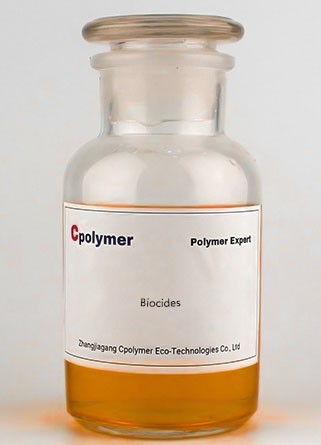
Biocides: Biocides are used to control the growth of microorganisms in sludge, which can cause odor problems, corrosion, and other issues. Biocides are available in both liquid and powder forms. Liquid biocides can be quickly dispersed in the sludge, providing rapid control of microbial growth. Powder biocides, once dissolved, can provide a more long - term protection due to their higher concentration.
Polyquaternium PQ: Polyquaternium PQ is a type of coagulant and flocculant used in sludge treatment. Liquid Polyquaternium PQ can be easily mixed with sludge, and its quick - acting nature can help in the initial stages of sludge dewatering. Powder Polyquaternium PQ, after dissolution, can form stronger flocs, which can improve the efficiency of sludge separation.
Organic Coagulants: Organic Coagulants are used to destabilize the colloidal particles in sludge, allowing them to aggregate and settle. Liquid organic coagulants can be added directly to the sludge, providing immediate coagulation. Powder organic coagulants may require more time to dissolve but can offer a more cost - effective solution for large - scale applications.
Making the Right Choice
Choosing between liquid and powder sludge treatment chemicals depends on a variety of factors, including the specific requirements of your sludge treatment process, your budget, and your operational capabilities. If you need a quick - acting solution with minimal equipment requirements, liquid chemicals may be the better choice. On the other hand, if you are looking for a more cost - effective long - term solution and have the resources to handle the dissolution process, powder chemicals could be more suitable.
As a sludge treatment chemicals supplier, I'm here to help you make the right decision. I can provide you with detailed information about the different types of chemicals, their properties, and how they can be best applied to your sludge treatment system. Whether you have questions about dosage, storage, or environmental impact, I'm available to offer expert advice.
If you're interested in learning more about our sludge treatment chemicals or would like to discuss your specific needs, please feel free to reach out. We can arrange a consultation to understand your situation and recommend the most appropriate chemicals for your project. Let's work together to optimize your sludge treatment process and achieve the best possible results.
References
- "Sludge Treatment and Disposal" by Water Environment Federation
- "Handbook of Water and Wastewater Treatment Plant Operations" by Glenn Tchobanoglous and Franklin L. Burton
- "Chemical Treatment of Water and Wastewater" by David W. Hendricks and Robert C. Linsky