

How do water treatment chemicals perform in low - flow water systems?
As a dedicated supplier of water treatment chemicals, I've witnessed firsthand the unique challenges and opportunities presented by low - flow water systems. Low - flow water systems, which include everything from small industrial loops to residential plumbing with reduced water flow, require a tailored approach when it comes to water treatment. In this blog, we'll explore how water treatment chemicals perform in these systems, their benefits, and the considerations we need to keep in mind.
Understanding Low - Flow Water Systems
Low - flow water systems are characterized by a reduced volume of water moving through a given area. This can be due to various factors such as water conservation measures, system design limitations, or seasonal variations. In these systems, water tends to stay in contact with pipes, equipment, and other surfaces for longer periods. This extended contact time can lead to several issues, including the growth of microorganisms, corrosion, and the accumulation of scale and sediment.
Performance of Water Treatment Chemicals in Low - Flow Systems
Scale and Corrosion Inhibitors
Scale formation is a common problem in low - flow water systems. When water flow is slow, minerals in the water have more time to precipitate out and form scale on the inner surfaces of pipes and equipment. Scale can reduce the efficiency of heat exchangers, clog pipes, and increase energy consumption. Corrosion, on the other hand, can weaken the structural integrity of pipes and lead to leaks.
Scale and corrosion inhibitors work by forming a protective film on the metal surfaces in the water system. In low - flow systems, these chemicals can be highly effective because they have more time to interact with the surfaces. The extended contact time allows the inhibitor molecules to adsorb onto the metal surface more thoroughly, creating a more robust and long - lasting protective layer. For example, phosphonate - based scale inhibitors can chelate with metal ions in the water, preventing them from forming scale crystals.
Disinfectants and Biocides
Microbial growth is another significant concern in low - flow water systems. The stagnant water provides an ideal environment for bacteria, fungi, and algae to thrive. These microorganisms can cause biofouling, which can reduce the efficiency of the system and pose a health risk.
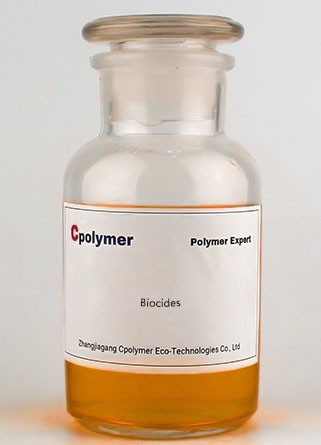
Disinfectants and biocides are used to control microbial growth. In low - flow systems, the effectiveness of these chemicals can be enhanced due to the longer contact time with the water. Chlorine - based disinfectants, for instance, can react with microorganisms over an extended period, increasing the likelihood of killing them. However, it's important to monitor the concentration of these chemicals carefully, as over - dosing can lead to the formation of harmful disinfection by - products.
Flocculants and Coagulants
Flocculants and coagulants are used to remove suspended solids from water. In low - flow systems, the sedimentation process can be slower, and suspended solids may have more time to settle. Flocculants work by causing the small particles to clump together into larger flocs, which can then be more easily removed by sedimentation or filtration.
In low - flow water systems, flocculants can be more effective because they have more time to interact with the suspended particles. The slow - moving water allows the flocculant molecules to diffuse evenly and attach to the particles, forming larger and more stable flocs. This is particularly important in applications such as coal washing water treatment, where the removal of fine coal particles and other suspended solids is crucial.
Considerations for Using Water Treatment Chemicals in Low - Flow Systems
Chemical Dosage
Determining the correct chemical dosage is crucial in low - flow water systems. Since the water volume is relatively small and the contact time is longer, a lower dosage of chemicals may be sufficient to achieve the desired results. Over - dosing can not only be wasteful but also lead to negative impacts such as the formation of by - products or damage to the system.

Chemical Compatibility
In low - flow systems, the chemicals may remain in contact with each other and the system components for a longer time. Therefore, it's essential to ensure that the water treatment chemicals are compatible with each other and with the materials used in the system. For example, some chemicals may react with certain metals or plastics, causing corrosion or degradation.
Monitoring and Maintenance
Regular monitoring of the water quality and the performance of the water treatment system is essential in low - flow systems. This includes measuring parameters such as pH, conductivity, microbial count, and chemical concentrations. Based on the monitoring results, adjustments can be made to the chemical dosage and treatment process. Additionally, proper maintenance of the system, such as cleaning filters and pipes, is necessary to ensure the long - term effectiveness of the water treatment chemicals.
Applications of Water Treatment Chemicals in Low - Flow Systems
Residential Plumbing
In residential plumbing systems, low - flow fixtures are becoming increasingly common to conserve water. However, these systems are more prone to problems such as scale buildup and microbial growth. Water treatment chemicals can be used to protect the pipes and ensure the quality of the water. For example, a small - scale water softener can be used to prevent scale formation, and a biocide can be added to the water supply to control bacteria.
Small - Scale Industrial Processes
Many small - scale industrial processes operate with low - flow water systems. For example, some food and beverage processing plants may use low - flow water for cleaning and rinsing operations. Water treatment chemicals can be used to ensure that the water used in these processes is free from contaminants and does not cause damage to the equipment.
Swimming Pool Maintenance
Swimming pools with low - flow circulation systems require special attention when it comes to water treatment. The water in these pools may not be circulated as frequently, leading to the growth of algae and bacteria. Water treatment chemicals such as clarifiers and disinfectants can be used to keep the pool water clean and clear.
Conclusion
Water treatment chemicals play a vital role in maintaining the quality and efficiency of low - flow water systems. Their performance can be enhanced in these systems due to the longer contact time with the water and system components. However, careful consideration must be given to chemical dosage, compatibility, and monitoring to ensure their effective and safe use.
If you're facing challenges with your low - flow water system or are interested in learning more about how our water treatment chemicals can help, we're here to assist you. Our team of experts has extensive experience in providing customized water treatment solutions. Whether you're a homeowner, a small - scale industrial operator, or a pool owner, we can work with you to develop the best treatment plan for your specific needs. Reach out to us to start a conversation about your water treatment requirements and explore the possibilities of optimizing your low - flow water system.
References
- AWWA (American Water Works Association). Water Quality and Treatment: A Handbook of Community Water Supplies. McGraw - Hill, 2017.
- Crittenden, John C., et al. Water Treatment: Principles and Design. John Wiley & Sons, 2012.
- White, George C. Handbook of Chlorination and Alternative Disinfectants. Wiley - Interscience, 2010.