

Polyamines are a group of low - molecular - weight aliphatic amines that are ubiquitously present in all living organisms. These compounds, including putrescine, spermidine, and spermine, play crucial roles in various biological processes such as cell growth, differentiation, and apoptosis. In recent years, there has been a growing interest in exploring whether polyamines also play a role in inflammation. As a polyamine supplier, I am deeply involved in understanding the multifaceted properties of polyamines, which allows me to share insights on this topic.
Polyamines: An Overview
Polyamines are synthesized endogenously through a well - regulated pathway. Ornithine decarboxylase (ODC) is a key enzyme in this process, catalyzing the conversion of ornithine to putrescine. Subsequently, putrescine is further converted to spermidine and spermine through the action of spermidine synthase and spermine synthase, respectively. Polyamines can also be obtained from dietary sources, such as meat, fish, and some fruits and vegetables.
These molecules interact with various macromolecules, including DNA, RNA, and proteins, due to their polycationic nature at physiological pH. They can stabilize nucleic acid structures, regulate gene expression, and modulate enzyme activities. For instance, polyamines can bind to DNA and affect chromatin conformation, which in turn influences the accessibility of DNA to transcription factors and other regulatory proteins.
Inflammation: A Complex Biological Response
Inflammation is a complex biological response of the body's immune system to harmful stimuli, such as pathogens, damaged cells, or irritants. It is a protective mechanism that aims to eliminate the initial cause of cell injury, clear out necrotic cells and tissues damaged from the original insult and the inflammatory process, and initiate tissue repair.
The inflammatory response can be divided into acute and chronic inflammation. Acute inflammation is a rapid and short - lived process characterized by the classic signs of redness, heat, swelling, pain, and loss of function. It involves the activation of innate immune cells, such as neutrophils and macrophages, which are recruited to the site of injury or infection. These cells release various inflammatory mediators, including cytokines, chemokines, and reactive oxygen species (ROS).
Chronic inflammation, on the other hand, is a long - lasting process that can lead to tissue damage and the development of various diseases, such as arthritis, cardiovascular diseases, and cancer. It often involves the continuous activation of the immune system, with the participation of both innate and adaptive immune cells.

The Role of Polyamines in Inflammation
Modulation of Immune Cell Function
Polyamines have been shown to influence the function of immune cells. For example, in macrophages, polyamines can affect their activation state. Macrophages can be polarized into different phenotypes, such as M1 (pro - inflammatory) and M2 (anti - inflammatory). Some studies suggest that polyamines may promote the polarization of macrophages towards the M2 phenotype, which is associated with tissue repair and anti - inflammatory responses.
In lymphocytes, polyamines are essential for their proliferation and activation. Lymphocytes are key players in the adaptive immune response, and their proper function is crucial for the control of inflammation. Polyamines can regulate the expression of genes involved in lymphocyte activation and differentiation, thereby influencing the overall immune response.
Regulation of Inflammatory Mediator Production
Polyamines can also regulate the production of inflammatory mediators. Cytokines, such as tumor necrosis factor - alpha (TNF - α), interleukin - 1 beta (IL - 1β), and interleukin - 6 (IL - 6), are important mediators of inflammation. Some research indicates that polyamines can modulate the production of these cytokines. For instance, spermidine has been reported to inhibit the production of TNF - α and IL - 1β in lipopolysaccharide (LPS) - stimulated macrophages.
In addition to cytokines, polyamines can also affect the production of ROS and nitric oxide (NO), which are important mediators of oxidative stress and inflammation. By regulating the activity of enzymes involved in ROS and NO production, such as NADPH oxidase and inducible nitric oxide synthase (iNOS), polyamines can influence the oxidative and inflammatory status of cells.
Interaction with the Inflammatory Signaling Pathways
Polyamines can interact with various inflammatory signaling pathways. One of the well - studied pathways is the nuclear factor - kappa B (NF - κB) pathway. NF - κB is a transcription factor that plays a central role in the regulation of inflammatory gene expression. Polyamines can modulate the activation of the NF - κB pathway through multiple mechanisms. For example, they can affect the phosphorylation and degradation of IκB, an inhibitor of NF - κB, thereby influencing the translocation of NF - κB to the nucleus and the subsequent transcription of inflammatory genes.
Clinical Implications
The potential role of polyamines in inflammation has important clinical implications. In the context of inflammatory diseases, understanding the role of polyamines may provide new therapeutic targets. For example, in arthritis, where chronic inflammation leads to joint damage, modulating polyamine levels or their effects on immune cells and inflammatory mediators could be a novel approach for treatment.
In addition, polyamines may also have a role in the prevention of inflammation - related diseases. Dietary intake of polyamines may contribute to the maintenance of a balanced immune system and the prevention of excessive inflammation. Some studies suggest that a diet rich in polyamines may have anti - inflammatory effects, which could be beneficial for overall health.
Our Polyamine Products and Their Potential in Inflammation - Related Research
As a polyamine supplier, we offer a wide range of high - quality polyamine products. Our Poly Allylamine Hydrochloride is a versatile polyamine - based compound that has shown potential in various biological applications. It can be used in research to study the role of polyamines in cell - cell interactions and the modulation of immune responses.
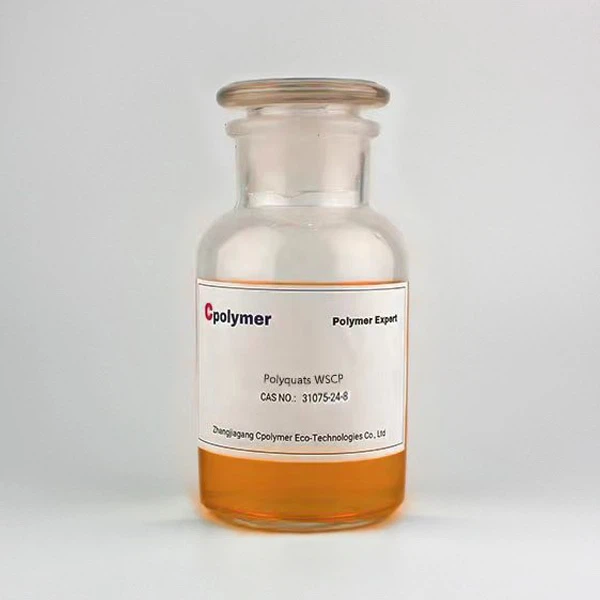
Polyquats WSCP is another product in our portfolio. Its unique chemical structure may allow for specific interactions with immune cells and inflammatory mediators, making it a valuable tool for researchers exploring the role of polyamines in inflammation.
Polixetonium Chloride is also available from our company. This compound has been studied for its biological activities, and it may have applications in understanding the molecular mechanisms underlying the relationship between polyamines and inflammation.
Conclusion
In conclusion, polyamines appear to play a significant role in inflammation. They can modulate immune cell function, regulate the production of inflammatory mediators, and interact with inflammatory signaling pathways. The potential of polyamines in the context of inflammation provides exciting opportunities for both basic research and clinical applications.
As a polyamine supplier, we are committed to providing high - quality polyamine products to support researchers in their exploration of the role of polyamines in inflammation. Whether you are conducting basic research on the molecular mechanisms or exploring potential therapeutic applications, our products can be valuable resources.
If you are interested in our polyamine products for your inflammation - related research or have any questions about their applications, please feel free to contact us for further discussion and potential procurement. We look forward to collaborating with you to advance our understanding of polyamines and their role in inflammation.
References
- Wallace HM, Fraser AM. Polyamines and mammalian diseases. Biochim Biophys Acta. 2004;1704(2):131 - 140.
- Manna SK, Aggarwal BB. Spermidine inhibits activation of nuclear transcription factor - kappa B and activator protein - 1 induced by phorbol ester, tumor necrosis factor, and interleukin - 1. J Biol Chem. 1998;273(22):13541 - 13548.
- Soda Y, Inoue H, Tanaka H, et al. Polyamines promote the differentiation of macrophages into an M2 - like phenotype. J Leukoc Biol. 2011;90(3):559 - 567.