

In the realm of wastewater treatment, sludge management stands as a critical challenge. Sludge, a by - product of various industrial and municipal wastewater treatment processes, is not only bulky but also poses environmental risks if not properly handled. One of the key objectives in sludge treatment is to reduce its volume, and this is where sludge treatment chemicals come into play. As a supplier of sludge treatment chemicals, I have witnessed firsthand the significant impact these chemicals can have on sludge volume reduction.
The Problem of Excess Sludge
Excess sludge is a common issue in wastewater treatment plants. It accumulates due to the biological degradation of organic matter in wastewater, the precipitation of suspended solids, and the addition of chemicals during the treatment process. The large volume of sludge presents several problems. Firstly, it requires substantial storage space, which can be a constraint for treatment facilities with limited land area. Secondly, the transportation and disposal of sludge are costly operations. The more sludge there is, the higher the transportation costs and the greater the burden on landfill sites. Moreover, sludge contains harmful substances such as heavy metals, pathogens, and organic pollutants. If not properly treated, these substances can leach into the environment, causing soil and water pollution.
How Sludge Treatment Chemicals Work
Sludge treatment chemicals are designed to modify the physical and chemical properties of sludge, making it easier to dewater and thus reducing its volume. There are several types of chemicals used in sludge treatment, including coagulants, flocculants, and conditioning agents.
Coagulants are chemicals that neutralize the negative charges on the surface of sludge particles, causing them to aggregate and form larger flocs. This process, known as coagulation, helps to break the stable dispersion of sludge particles in water. Common coagulants include aluminum sulfate (alum), ferric chloride, and polyaluminum chloride (PAC). By reducing the repulsive forces between particles, coagulants promote the formation of larger and more settleable flocs, which can be more easily separated from the water phase.

Flocculants, on the other hand, are long - chain polymers that bridge the coagulated flocs together, forming even larger and more compact aggregates. They enhance the sedimentation and filtration properties of sludge. Anionic, cationic, and non - ionic flocculants are commonly used, depending on the nature of the sludge. For example, cationic flocculants are often used for treating sludge with a high content of negatively charged organic matter, as they can effectively bind to these particles and promote flocculation.
Conditioning agents are used to improve the dewatering characteristics of sludge. They can change the structure of the sludge matrix, making it more permeable to water. Lime, for instance, is a widely used conditioning agent. When added to sludge, lime reacts with water to form calcium hydroxide, which increases the pH of the sludge and causes the precipitation of calcium carbonate. This precipitation process helps to break the sludge structure and release the bound water, making it easier to remove water from the sludge during the dewatering process.
Evidence of Volume Reduction
Numerous studies and practical applications have demonstrated the effectiveness of sludge treatment chemicals in reducing sludge volume. In a case study of a municipal wastewater treatment plant, the addition of a combination of coagulants and flocculants led to a significant improvement in sludge dewatering efficiency. Before the use of chemicals, the sludge had a high moisture content of about 95%, which made it difficult to handle and dispose of. After treatment with the appropriate chemicals, the moisture content of the sludge was reduced to around 70%, resulting in a substantial reduction in sludge volume.
Another example is in the industrial sector. A food processing plant was facing challenges in managing its large volume of sludge. By using specialized sludge treatment chemicals, the plant was able to reduce the volume of sludge by up to 40%. This not only saved on disposal costs but also reduced the environmental impact associated with sludge disposal.
Other Benefits of Sludge Treatment Chemicals
In addition to volume reduction, sludge treatment chemicals offer other benefits. They can improve the quality of the treated water. By removing more solids from the sludge, the amount of suspended solids and organic matter in the effluent water is reduced, which helps to meet the regulatory requirements for water discharge.
Sludge treatment chemicals can also enhance the stability of the sludge. Treated sludge is less likely to undergo further decomposition, which reduces the generation of foul odors and greenhouse gases such as methane. This is particularly important for sludge disposal sites, as it helps to minimize the environmental impact of sludge management.
Related Products
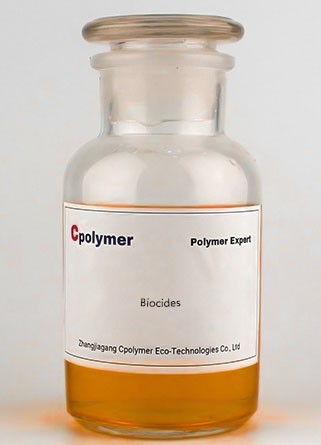
As a supplier of sludge treatment chemicals, we also offer a range of related products that can be used in conjunction with sludge treatment. For example, our Aquaculture Water Purifying Agent can be used to treat water in aquaculture systems, reducing the amount of organic matter and pollutants that contribute to sludge formation. Our Coal Washing Water Chemicals are designed to treat the wastewater generated during coal washing processes, which can also produce a significant amount of sludge. Additionally, our Biocides can be used to control the growth of microorganisms in sludge, preventing the formation of excessive sludge due to microbial activity.
Conclusion
In conclusion, sludge treatment chemicals play a crucial role in reducing the volume of sludge. Through their action on sludge particles, these chemicals can improve the dewatering efficiency of sludge, leading to a significant reduction in sludge volume. This not only helps to solve the problems associated with sludge storage, transportation, and disposal but also has positive environmental impacts.
If you are facing challenges in sludge management, we invite you to contact us for more information. Our team of experts can provide you with customized solutions based on your specific needs. Whether you are a municipal wastewater treatment plant or an industrial facility, we have the right chemicals and expertise to help you reduce your sludge volume and improve your sludge management practices.
References
- Metcalf & Eddy. (2003). Wastewater Engineering: Treatment and Reuse. McGraw - Hill.
- Novak, J. T., et al. (2003). "Sludge Treatment and Disposal." Water Environment Research, 75(3), 217 - 238.
- Tchobanoglous, G., Burton, F. L., & Stensel, H. D. (2003). Wastewater Engineering: Treatment, Disposal, and Reuse. Pearson Education.