

Sleep is a fundamental aspect of human health, influencing physical restoration, cognitive function, and emotional well - being. In recent years, there has been growing interest in the potential role of polyamines in improving sleep quality. As a polyamine supplier, I've delved into the scientific research to understand the connection between polyamines and sleep, and I'm excited to share what I've learned.
What are Polyamines?
Polyamines are small, positively charged molecules that are found in all living cells. They play crucial roles in various biological processes, including cell growth, proliferation, and differentiation. The most common polyamines in humans are putrescine, spermidine, and spermine. These molecules are involved in DNA and RNA synthesis, protein synthesis, and membrane stability.
Our company offers a wide range of polyamine products. For instance, you can explore Polyamine on our website, which is produced with high - quality standards to meet different industrial and research needs.
The Link Between Polyamines and Sleep
1. Neurotransmitter Regulation
Neurotransmitters are chemical messengers in the brain that regulate various functions, including sleep. Some studies suggest that polyamines can influence the synthesis and release of neurotransmitters such as serotonin and dopamine. Serotonin is a key neurotransmitter involved in regulating mood, appetite, and sleep. It is converted into melatonin, a hormone that helps to regulate the sleep - wake cycle.
Research has shown that polyamines can enhance the activity of tryptophan hydroxylase, the enzyme responsible for the first step in serotonin synthesis. By increasing serotonin levels, polyamines may promote the production of melatonin, leading to better sleep quality.
2. Antioxidant and Anti - Inflammatory Effects
Oxidative stress and inflammation in the brain can disrupt normal sleep patterns. Polyamines have antioxidant and anti - inflammatory properties, which can help to protect the brain from damage caused by free radicals and inflammatory cytokines.
Spermidine, for example, has been shown to induce autophagy, a cellular process that removes damaged proteins and organelles. By reducing oxidative stress and inflammation, polyamines may create a more favorable environment for sleep.
3. Regulation of Ion Channels
Ion channels in the brain are essential for the generation and propagation of electrical signals. Polyamines can interact with certain ion channels, such as NMDA receptors, which are involved in learning, memory, and sleep regulation.
Modulation of NMDA receptors by polyamines can affect the excitability of neurons and the balance between wakefulness and sleep. Some studies have found that polyamines can promote slow - wave sleep, the deepest and most restorative stage of sleep.
Evidence from Animal and Human Studies
Animal Studies
In animal models, researchers have observed that dietary supplementation with polyamines can improve sleep quality. For example, a study on rats showed that spermidine supplementation increased the duration of slow - wave sleep and reduced the time spent in wakefulness.
Another study on fruit flies found that polyamines were necessary for normal sleep patterns. Flies with reduced polyamine levels exhibited disrupted sleep, including decreased sleep duration and increased sleep fragmentation.
Human Studies
Although human studies on the effects of polyamines on sleep are still limited, some preliminary evidence suggests a positive association. A small observational study found that individuals with higher dietary intake of polyamines had better self - reported sleep quality.
However, more large - scale, randomized controlled trials are needed to confirm these findings and to determine the optimal dosage and duration of polyamine supplementation for improving sleep.
Polyamine Products in the Market
Apart from the general Polyamine, we also offer other related products that may have potential applications in sleep research or other fields. Polixetonium Chloride is one of our products with unique chemical properties. It has been used in various industries, and its potential effects on biological systems, including sleep, are worth further exploration.
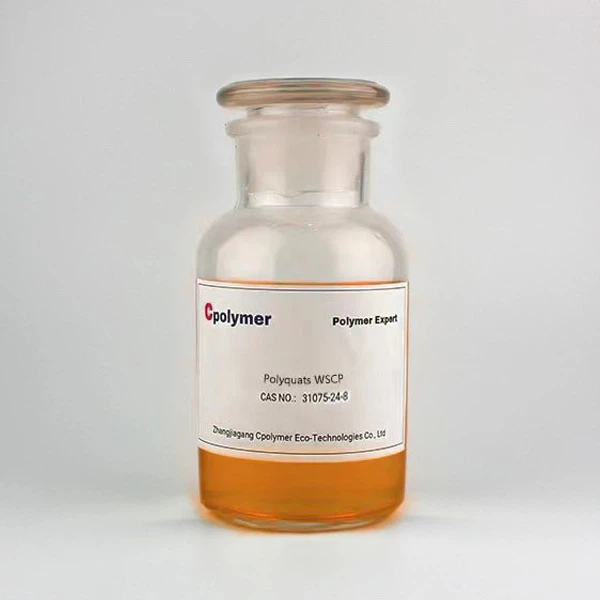
Polyquats WSCP is another product in our portfolio. While its primary applications are in different areas, the complex nature of polyamines means that there may be unexpected benefits related to sleep and other physiological functions.

Considerations for Using Polyamines to Improve Sleep
Dosage and Safety
The appropriate dosage of polyamines for improving sleep has not been firmly established. It is important to note that excessive intake of polyamines may have adverse effects. High levels of polyamines in the body can lead to increased production of reactive oxygen species and may be associated with certain health risks.
Before considering polyamine supplementation, it is advisable to consult a healthcare professional, especially for individuals with underlying health conditions or those taking medications.
Dietary Sources
Polyamines are naturally present in many foods. Foods such as aged cheese, fermented soy products, and certain vegetables are rich in polyamines. Incorporating these foods into the diet may be a natural way to increase polyamine intake.
Conclusion
The potential of polyamines to improve sleep quality is an exciting area of research. While the evidence from animal and preliminary human studies is promising, more research is needed to fully understand the mechanisms and to establish the effectiveness and safety of polyamine supplementation for sleep.
As a polyamine supplier, we are committed to providing high - quality polyamine products for research and industrial applications. Whether you are a researcher looking to explore the potential of polyamines in sleep research or an industry professional interested in our polyamine products, we welcome you to contact us for more information and to discuss potential procurement opportunities.
If you are interested in learning more about our polyamine products or have any questions regarding their potential applications in sleep research or other fields, please feel free to reach out to us. We are eager to engage in discussions and provide you with the best solutions for your needs.
References
- Alcázar, R., Altabella, T., Marco, F., Bortolotti, C., Reymond, M., Koncz, C., & Carrasco, P. (2010). Polyamines: molecules with regulatory functions in plant abiotic stress tolerance. Planta, 231(6), 1237 - 1249.
- Eisenberg, T., Knauer, H., Schauer, A., Büttner, S., Ruckenstuhl, C., Carmona - Gutiérrez, D., … Madeo, F. (2009). Induction of autophagy by spermidine promotes longevity. Nature Cell Biology, 11(11), 1305 - 1314.
- Liu, X., & Zhao, X. (2019). The role of polyamines in neurotransmitter regulation and neurological disorders. Neural Regeneration Research, 14(6), 1053 - 1058.