

Can I use a clarifier if my pool has a low total alkalinity?
As a supplier of Swimming Pool Clarifiers, I often receive questions from pool owners about the optimal use of our products. One common query is whether it's possible to use a clarifier when the pool has low total alkalinity. In this blog post, I'll delve into the science behind pool chemistry, explain the role of total alkalinity, and discuss the implications of using a clarifier in a pool with low alkalinity.
Understanding Total Alkalinity in Pools
Total alkalinity refers to the measure of alkaline substances in the pool water, primarily bicarbonates, carbonates, and hydroxides. It acts as a buffer, helping to maintain the pH level of the water within a stable range. A proper alkalinity level is crucial because it prevents rapid fluctuations in pH, which can lead to a host of problems, including corrosion of pool equipment, skin and eye irritation for swimmers, and reduced effectiveness of biocides.
The ideal range for total alkalinity in a swimming pool is typically between 80 and 120 parts per million (ppm). When the total alkalinity drops below this range, the water becomes more acidic and less stable. This instability can cause the pH to bounce around, making it difficult to keep the pool water balanced.
The Role of Swimming Pool Clarifiers
Swimming pool clarifiers are chemicals designed to coagulate small particles in the water into larger clumps. These larger particles are then easier for the pool's filtration system to capture and remove. Clarifiers work by neutralizing the electrical charges on the tiny particles suspended in the water, causing them to stick together. This process, known as flocculation, helps to clear up cloudy water and improve the overall clarity of the pool.
Using a Clarifier with Low Total Alkalinity
Now, let's address the question at hand: Can you use a clarifier if your pool has low total alkalinity? The short answer is yes, but with some important considerations.
When the total alkalinity is low, the water's chemistry is more sensitive. Adding a clarifier to water with low alkalinity can potentially exacerbate the instability of the pH. Some clarifiers may have a pH of their own, and when added to low-alkalinity water, they can cause the pH to drop even further. This can lead to a cycle of pH imbalance that is difficult to correct.
However, if you take the necessary precautions, using a clarifier in a pool with low total alkalinity can still be effective. Before adding the clarifier, it's advisable to test the water and adjust the total alkalinity to the appropriate range. You can use alkalinity increasers, which are typically made of sodium bicarbonate, to raise the total alkalinity. Once the alkalinity is within the ideal range, you can then proceed to add the clarifier.
It's also important to follow the manufacturer's instructions carefully when using a clarifier. Overdosing can lead to excessive flocculation, which may result in a thick layer of sludge at the bottom of the pool. This sludge can be difficult to remove and may require the use of Sludge Treatment Chemicals.
Potential Risks and Solutions
Using a clarifier in a pool with low total alkalinity can pose several risks. As mentioned earlier, the pH imbalance can cause corrosion of pool equipment, such as pumps, filters, and heaters. It can also lead to skin and eye irritation for swimmers. Additionally, if the pH drops too low, the effectiveness of the pool's biocides may be reduced, increasing the risk of algae growth and bacterial contamination.
To mitigate these risks, it's essential to monitor the pH and total alkalinity closely after adding the clarifier. Test the water regularly, at least once a day, and make adjustments as needed. If the pH drops, you can use a pH increaser to bring it back up. If the total alkalinity decreases further, add more alkalinity increaser.
Case Study: A Pool with Low Total Alkalinity
Let's consider a real-life example. A pool owner noticed that their pool water was cloudy, and upon testing, they found that the total alkalinity was only 60 ppm. They decided to use a clarifier without first adjusting the alkalinity. After adding the clarifier, the pH dropped significantly, and the water became even cloudier. The pool owner then realized their mistake and immediately tested the water again. They added alkalinity increaser to raise the total alkalinity to 100 ppm and then adjusted the pH to the proper level. Once the water was balanced, they added the clarifier again, following the instructions carefully. This time, the clarifier worked effectively, and the pool water cleared up within a few days.
Conclusion
In conclusion, it is possible to use a clarifier if your pool has low total alkalinity, but it's crucial to approach the situation with caution. Always test the water and adjust the total alkalinity to the appropriate range before adding a clarifier. Monitor the pH and total alkalinity closely after adding the clarifier, and make adjustments as needed to maintain a balanced pool environment.
If you're unsure about how to handle the chemistry of your pool or have any questions about using our Swimming Pool Clarifiers, our team of experts is here to help. We can provide you with personalized advice and guidance to ensure that your pool stays clean, clear, and safe for swimming.

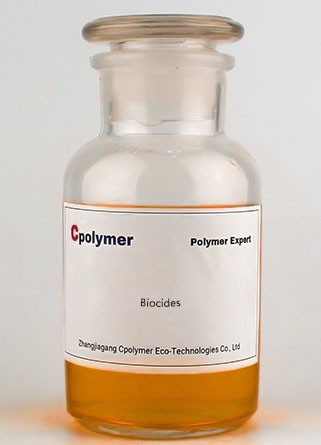
Whether you're a professional pool maintenance company or a homeowner looking to keep your pool in top condition, we offer a wide range of high-quality water treatment chemicals, including clarifiers, biocides, and Sludge Treatment Chemicals.
If you're interested in learning more about our products or would like to discuss your pool's specific needs, we encourage you to reach out to us. Our dedicated sales team is ready to assist you with your procurement and answer any questions you may have.
References
- "Swimming Pool Water Chemistry: A Guide to Balanced Water." National Swimming Pool Foundation.
- "Pool and Spa Water Chemistry." Chemical & Engineering News.