

In the world of water treatment and environmental management, biocides play a crucial role. As a biocides supplier, I often encounter a common question from customers: Are there any biocides that are non - toxic? This question is not only relevant but also reflects the growing concern for environmental safety and human health. In this blog, I will delve into this topic, exploring the concept of non - toxic biocides, their existence, and their applications.
Understanding Biocides
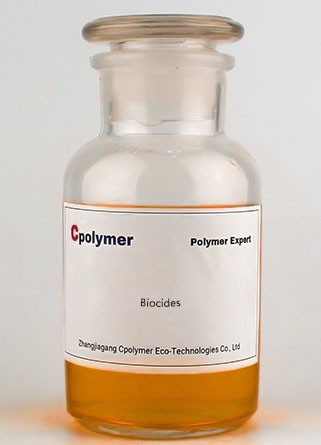
Before we can answer the question of non - toxic biocides, it is essential to understand what biocides are. Biocides are chemical substances or microorganisms used to destroy, deter, render harmless, or exert a controlling effect on any harmful organism by chemical or biological means. They are widely used in various industries, including water treatment, agriculture, and healthcare. You can find more information about Biocides on our website.
The primary function of biocides is to prevent the growth and spread of harmful organisms such as bacteria, fungi, algae, and viruses. In water treatment, for example, biocides are used to control microbial growth in cooling towers, swimming pools, and drinking water systems. They help to maintain water quality, prevent biofouling, and protect equipment from corrosion.

The Concept of Toxicity
Toxicity is a measure of the degree to which a substance can cause harm to living organisms. It is determined by various factors, including the chemical structure of the substance, the route of exposure (e.g., inhalation, ingestion, or skin contact), the dose, and the duration of exposure. In general, biocides are designed to be toxic to the target organisms. However, the level of toxicity can vary significantly depending on the type of biocide and its intended use.
When we talk about non - toxic biocides, we are referring to biocides that have a minimal impact on human health and the environment while still being effective against the target organisms. These biocides are often considered "environmentally friendly" or "green" alternatives to traditional biocides.
Types of Non - Toxic Biocides
- Natural Biocides
- Natural biocides are derived from natural sources such as plants, animals, and microorganisms. They are often considered to be non - toxic or have low toxicity compared to synthetic biocides. For example, essential oils from plants like tea tree oil, eucalyptus oil, and cinnamon oil have been shown to have antibacterial and antifungal properties. These essential oils can be used as natural biocides in various applications, including water treatment and personal care products.
- Another example of natural biocides is bacteriophages, which are viruses that infect and kill bacteria. Bacteriophages are highly specific to their target bacteria, which means they can be used to control bacterial infections without harming other beneficial microorganisms. They are being increasingly explored as a non - toxic alternative to antibiotics in the medical field and as biocides in water treatment.
- Enzyme - Based Biocides
- Enzyme - based biocides work by breaking down the cell walls or other essential components of the target organisms. Enzymes are proteins that catalyze chemical reactions in living organisms. They are highly specific and can be designed to target specific types of microorganisms.
- For instance, proteases are enzymes that break down proteins. They can be used to degrade the biofilm formed by bacteria, which helps to prevent biofouling in water systems. Enzyme - based biocides are generally considered to be non - toxic because they are biodegradable and do not leave harmful residues in the environment.
Applications of Non - Toxic Biocides
- Swimming Pool Treatment
- In swimming pool treatment, non - toxic biocides are becoming increasingly popular. Traditional chlorine - based biocides can produce harmful disinfection by - products such as trihalomethanes (THMs), which are known to be carcinogenic. Non - toxic alternatives such as enzyme - based clarifiers can be used to maintain water clarity and control microbial growth. You can learn more about Swimming Pool Clarifiers on our website.
- These non - toxic clarifiers work by breaking down organic matter in the water, preventing the growth of algae and bacteria. They are also safer for swimmers, especially those with sensitive skin or respiratory problems.
- Sludge Treatment
- In sludge treatment, non - toxic biocides can be used to reduce the volume of sludge and improve its dewaterability. Traditional chemical sludge treatment methods often use toxic substances such as heavy metals and strong acids. Non - toxic alternatives, such as natural enzymes and bacteria, can be used to break down organic matter in the sludge, making it easier to separate the water from the solid waste. You can find more information about Sludge Treatment Chemicals on our website.
- This not only reduces the environmental impact of sludge disposal but also lowers the cost of treatment.
Challenges and Limitations of Non - Toxic Biocides
While non - toxic biocides offer many advantages, they also face some challenges and limitations. One of the main challenges is their effectiveness. Non - toxic biocides may not be as potent as traditional biocides, especially in high - load or severe contamination situations. They may require longer contact times or higher doses to achieve the same level of microbial control.
Another challenge is the cost. Non - toxic biocides, especially those derived from natural sources or advanced technologies, can be more expensive than traditional biocides. This can make them less accessible for some industries or applications, especially in developing countries.
The Future of Non - Toxic Biocides
Despite the challenges, the demand for non - toxic biocides is expected to grow in the future. As consumers become more environmentally conscious and regulations become stricter, there is a growing need for safer and more sustainable biocide solutions.
Research and development in the field of non - toxic biocides are also advancing rapidly. Scientists are constantly exploring new natural sources of biocides, developing more efficient enzyme - based systems, and improving the formulation and delivery of non - toxic biocides.
Conclusion
In conclusion, there are indeed non - toxic biocides available in the market. Natural biocides and enzyme - based biocides offer promising alternatives to traditional biocides, with minimal impact on human health and the environment. They have a wide range of applications in water treatment, swimming pool maintenance, and sludge treatment.
However, it is important to note that non - toxic biocides also have their limitations, such as lower effectiveness and higher cost. As a biocides supplier, we are committed to providing our customers with the most suitable biocide solutions based on their specific needs and requirements.
If you are interested in learning more about non - toxic biocides or are looking for a reliable biocides supplier, please feel free to contact us. We are happy to assist you in choosing the right biocide for your application and to provide you with professional advice and support.
References
- Block, S. S. (2001). Disinfection, Sterilization, and Preservation. Lippincott Williams & Wilkins.
- Russell, A. D. (2002). Antiseptics and disinfectants: Activity, action, and resistance. Clinical Microbiology Reviews, 15(2), 165 - 194.
- Wong, A. C. L., & Nickerson, C. A. (2007). Bacteriophage - based strategies for controlling pathogens in foods. Food Research International, 40(10), 1191 - 1198.