

Polyamines are a group of small, aliphatic amines that are ubiquitously present in living organisms. They play crucial roles in various biological processes, including cell growth, differentiation, and apoptosis. Given their biological significance, the presence and function of polyamines in different organisms have been extensively studied. In this blog, we will explore the question: Are polyamines found in fungi? As a polyamine supplier, we are keenly interested in the sources and applications of polyamines, and fungi represent a fascinating area of study.
Polyamines: An Overview
Polyamines, such as putrescine, spermidine, and spermine, are positively charged molecules at physiological pH. They interact with negatively charged macromolecules like DNA, RNA, and proteins, influencing their structure and function. In mammalian cells, polyamines are involved in regulating gene expression, stabilizing nucleic acid structures, and modulating enzyme activities. Their levels are tightly regulated, and abnormal polyamine metabolism has been associated with various diseases, including cancer.
Polyamines in Fungi: Evidence of Presence
Numerous studies have confirmed the presence of polyamines in fungi. Fungi, like other living organisms, require polyamines for normal growth and development. For example, putrescine, spermidine, and spermine have been detected in various fungal species, including Saccharomyces cerevisiae, a well - studied model organism in microbiology.
In S. cerevisiae, polyamines are synthesized through a series of enzymatic reactions. Ornithine decarboxylase (ODC) is a key enzyme in this pathway, catalyzing the conversion of ornithine to putrescine. Putrescine is then further converted to spermidine and spermine by the action of spermidine synthase and spermine synthase, respectively. The levels of these polyamines can vary depending on the growth conditions, such as nutrient availability, pH, and temperature.

Fungal polyamines also play important roles in stress responses. When exposed to environmental stresses like oxidative stress, osmotic stress, or nutrient limitation, fungi can adjust their polyamine metabolism to cope with these challenges. For instance, under oxidative stress, the levels of polyamines may increase, which can help protect the cells from oxidative damage by scavenging free radicals and stabilizing cellular membranes.
Functions of Polyamines in Fungi
- Cell Growth and Morphogenesis: Polyamines are essential for fungal cell growth. They are involved in the regulation of cell cycle progression, ensuring proper DNA replication and cell division. In addition, polyamines influence fungal morphogenesis, such as hyphal growth and sporulation. In some filamentous fungi, the inhibition of polyamine synthesis can lead to abnormal hyphal branching and reduced sporulation efficiency.
- Pathogenicity: In pathogenic fungi, polyamines can contribute to virulence. For example, in plant - pathogenic fungi, polyamines may be involved in the penetration of plant tissues and the suppression of the plant's immune response. By interfering with the host's cell signaling pathways, polyamines can help the fungi establish infection and cause disease.
- Secondary Metabolism: Fungi are well - known for their ability to produce a wide range of secondary metabolites, many of which have important biological activities. Polyamines can influence the production of these secondary metabolites. Some studies have shown that the addition of exogenous polyamines can enhance the production of antibiotics or other bioactive compounds in certain fungal strains.
Polyamine - Based Products and Their Applications
As a polyamine supplier, we offer a variety of polyamine - based products that have diverse applications. Poly Allylamine Hydrochloride is a cationic polymer that has applications in water treatment, papermaking, and the textile industry. It can be used as a flocculant to remove suspended particles from water, or as a sizing agent in papermaking to improve paper strength and printability.
Polixetonium Chloride is another important product in our portfolio. It has antimicrobial properties and is used in the pharmaceutical and cosmetic industries. In pharmaceuticals, it can be used as an excipient in drug formulations, while in cosmetics, it can be used in hair care products to improve hair manageability and shine.
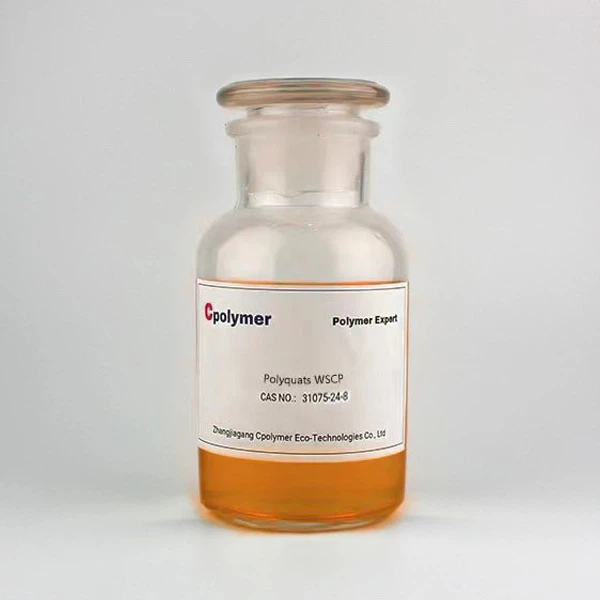
Polyquats WSCP is a water - soluble cationic polymer that has applications in the oil and gas industry, as well as in personal care products. In the oil and gas industry, it can be used as a corrosion inhibitor, while in personal care products, it can be used as a conditioning agent.
Potential of Fungi as a Source of Polyamines
Fungi represent a potential source of polyamines for industrial applications. Unlike some traditional sources of polyamines, such as plants or animals, fungi can be easily cultured in large - scale fermentation systems. They can grow on a variety of substrates, including agricultural waste, which makes them an environmentally friendly and cost - effective option.
In addition, the genetic manipulation of fungi can be used to enhance polyamine production. By overexpressing the genes involved in polyamine synthesis or by optimizing the regulatory pathways, it may be possible to increase the yield of polyamines in fungal cultures. This approach has been successfully applied in the production of other bioactive compounds in fungi, and it holds great promise for polyamine production.
Conclusion
In conclusion, polyamines are indeed found in fungi, and they play important roles in fungal growth, development, and stress responses. The presence of polyamines in fungi has significant implications for both basic research and industrial applications. As a polyamine supplier, we are excited about the potential of fungi as a source of polyamines and are constantly exploring new ways to develop and supply high - quality polyamine products.
If you are interested in our polyamine products or have any questions about polyamines in fungi, we encourage you to contact us for further discussion and potential procurement opportunities. We are committed to providing you with the best products and services to meet your specific needs.
References
- Tabor CW, Tabor HM. Polyamines in microorganisms. Microbiological reviews. 1985;49(1):81 - 99.
- Chattopadhyay S, Paul S, Manna A, et al. Polyamines: essential factors for growth and survival of fungi. FEMS microbiology reviews. 2009;33(1):125 - 140.
- Walton JD. Polyamines in plant - pathogenic fungi. Phytopathology. 2006;96(2):119 - 124.