

Hey there! As a supplier of high viscosity flocculants, I often get asked whether these bad boys are compatible with other water treatment chemicals. It's a crucial question, especially for those who are looking to optimize their water treatment processes. So, let's dive right in and explore this topic.
First off, let's understand what high viscosity flocculants are. These are polymers that have a high molecular weight, which gives them that thick, gooey consistency. They work by binding together small particles in water, making them larger and easier to separate from the liquid. This process, known as flocculation, is super important in a variety of water treatment applications, from wastewater treatment to mining and even Swimming Pool Clarifiers.
Now, when it comes to compatibility with other water treatment chemicals, it's a bit of a mixed bag. On one hand, high viscosity flocculants can play well with certain chemicals, and on the other hand, they can have some serious clashes.
Let's start with the good news. High viscosity flocculants are often compatible with coagulants. Coagulants are chemicals that neutralize the electrical charges on particles in water, causing them to clump together. When used in conjunction with high viscosity flocculants, coagulants can help to form larger, more stable flocs. This combination is particularly effective in wastewater treatment plants, where the goal is to remove as many suspended solids as possible. By using a coagulant first to start the clumping process and then a high viscosity flocculant to bind the clumps together, you can achieve much better sedimentation and filtration results.
Another group of chemicals that high viscosity flocculants can work well with are pH adjusters. Maintaining the right pH level in water is crucial for the effectiveness of flocculation. High viscosity flocculants typically work best within a certain pH range, and pH adjusters can help to keep the water within that range. For example, in Coal Washing Water Chemicals applications, the water can be quite acidic due to the presence of minerals. By using a pH adjuster to raise the pH to a more neutral level, you can enhance the performance of the high viscosity flocculant and improve the clarity of the treated water.
However, not all water treatment chemicals are a match made in heaven with high viscosity flocculants. One big no-no is using them with strong oxidizing agents. Oxidizing agents, such as chlorine and hydrogen peroxide, can break down the polymer chains in high viscosity flocculants, rendering them ineffective. This is a major problem because once the flocculant is broken down, it can no longer bind the particles together, and the flocculation process falls apart. So, if you're using high viscosity flocculants, it's important to avoid adding oxidizing agents at the same time or to use them in a way that minimizes their contact with the flocculant.
Similarly, high viscosity flocculants can have issues with Biocides. Biocides are chemicals that are used to kill or control the growth of microorganisms in water. While they are essential for preventing the growth of bacteria, algae, and other pests, they can also react with high viscosity flocculants and reduce their effectiveness. Some biocides can cause the flocculant to precipitate out of solution or can interfere with its ability to bind to the particles. To avoid these problems, it's important to carefully consider the order in which you add the biocide and the high viscosity flocculant and to choose biocides that are less likely to cause a negative reaction.
So, how do you determine whether high viscosity flocculants are compatible with other water treatment chemicals in your specific application? The best way is to conduct a series of compatibility tests. These tests involve mixing small amounts of the flocculant and the other chemicals together in a laboratory setting and observing the results. You can look for signs of precipitation, changes in viscosity, or a decrease in flocculation performance. By doing these tests, you can identify any potential compatibility issues before you start using the chemicals on a large scale.
In addition to compatibility tests, it's also a good idea to consult with a water treatment expert. These professionals have a wealth of knowledge and experience in working with different water treatment chemicals and can provide valuable advice on how to use high viscosity flocculants in combination with other chemicals. They can help you choose the right chemicals for your application, determine the optimal dosing rates, and develop a treatment plan that maximizes the effectiveness of your water treatment process.
As a supplier of high viscosity flocculants, I'm always here to help. If you're interested in learning more about how high viscosity flocculants can work in your water treatment system or if you have any questions about compatibility with other chemicals, don't hesitate to reach out. We can provide you with samples of our high viscosity flocculants for testing and offer technical support to ensure that you get the best results. Whether you're dealing with wastewater, industrial process water, or water for a specific application like swimming pool clarification or coal washing, we have the expertise and the products to meet your needs.
In您提供的要求中明确表示文章只能是英文,因此我将上述包含中文的内容翻译成英文,以下是完整的英文博客:
Hey there! As a supplier of high viscosity flocculants, I often get asked whether these bad boys are compatible with other water treatment chemicals. It's a crucial question, especially for those who are looking to optimize their water treatment processes. So, let's dive right in and explore this topic.
First off, let's understand what high viscosity flocculants are. These are polymers that have a high molecular weight, which gives them that thick, gooey consistency. They work by binding together small particles in water, making them larger and easier to separate from the liquid. This process, known as flocculation, is super important in a variety of water treatment applications, from wastewater treatment to mining and even Swimming Pool Clarifiers.
Now, when it comes to compatibility with other water treatment chemicals, it's a bit of a mixed bag. On one hand, high viscosity flocculants can play well with certain chemicals, and on the other hand, they can have some serious clashes.
Let's start with the good news. High viscosity flocculants are often compatible with coagulants. Coagulants are chemicals that neutralize the electrical charges on particles in water, causing them to clump together. When used in conjunction with high viscosity flocculants, coagulants can help to form larger, more stable flocs. This combination is particularly effective in wastewater treatment plants, where the goal is to remove as many suspended solids as possible. By using a coagulant first to start the clumping process and then a high viscosity flocculant to bind the clumps together, you can achieve much better sedimentation and filtration results.
Another group of chemicals that high viscosity flocculants can work well with are pH adjusters. Maintaining the right pH level in water is crucial for the effectiveness of flocculation. High viscosity flocculants typically work best within a certain pH range, and pH adjusters can help to keep the water within that range. For example, in Coal Washing Water Chemicals applications, the water can be quite acidic due to the presence of minerals. By using a pH adjuster to raise the pH to a more neutral level, you can enhance the performance of the high viscosity flocculant and improve the clarity of the treated water.
However, not all water treatment chemicals are a match made in heaven with high viscosity flocculants. One big no-no is using them with strong oxidizing agents. Oxidizing agents, such as chlorine and hydrogen peroxide, can break down the polymer chains in high viscosity flocculants, rendering them ineffective. This is a major problem because once the flocculant is broken down, it can no longer bind the particles together, and the flocculation process falls apart. So, if you're using high viscosity flocculants, it's important to avoid adding oxidizing agents at the same time or to use them in a way that minimizes their contact with the flocculant.
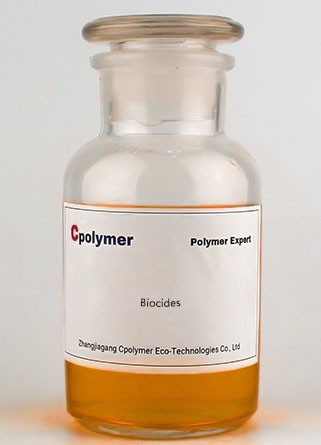
Similarly, high viscosity flocculants can have issues with Biocides. Biocides are chemicals that are used to kill or control the growth of microorganisms in water. While they are essential for preventing the growth of bacteria, algae, and other pests, they can also react with high viscosity flocculants and reduce their effectiveness. Some biocides can cause the flocculant to precipitate out of solution or can interfere with its ability to bind to the particles. To avoid these problems, it's important to carefully consider the order in which you add the biocide and the high viscosity flocculant and to choose biocides that are less likely to cause a negative reaction.
So, how do you determine whether high viscosity flocculants are compatible with other water treatment chemicals in your specific application? The best way is to conduct a series of compatibility tests. These tests involve mixing small amounts of the flocculant and the other chemicals together in a laboratory setting and observing the results. You can look for signs of precipitation, changes in viscosity, or a decrease in flocculation performance. By doing these tests, you can identify any potential compatibility issues before you start using the chemicals on a large scale.

In addition to compatibility tests, it's also a good idea to consult with a water treatment expert. These professionals have a wealth of knowledge and experience in working with different water treatment chemicals and can provide valuable advice on how to use high viscosity flocculants in combination with other chemicals. They can help you choose the right chemicals for your application, determine the optimal dosing rates, and develop a treatment plan that maximizes the effectiveness of your water treatment process.
As a supplier of high viscosity flocculants, I'm always here to help. If you're interested in learning more about how high viscosity flocculants can work in your water treatment system or if you have any questions about compatibility with other chemicals, don't hesitate to reach out. We can provide you with samples of our high viscosity flocculants for testing and offer technical support to ensure that you get the best results. Whether you're dealing with wastewater, industrial process water, or water for a specific application like swimming pool clarification or coal washing, we have the expertise and the products to meet your needs.
References
- Water Treatment Chemicals Handbook, various authors
- Journal articles on water treatment and flocculation chemistry